My passion for serving older adults began with my grandparents. They built their lives together after meeting in the eighth grade, later moving from Oklahoma to California to raise their family and pursue opportunity. My grandmother worked in a school, and my grandfather was an electrical lineman, both proud of their work, their family, and their independence.
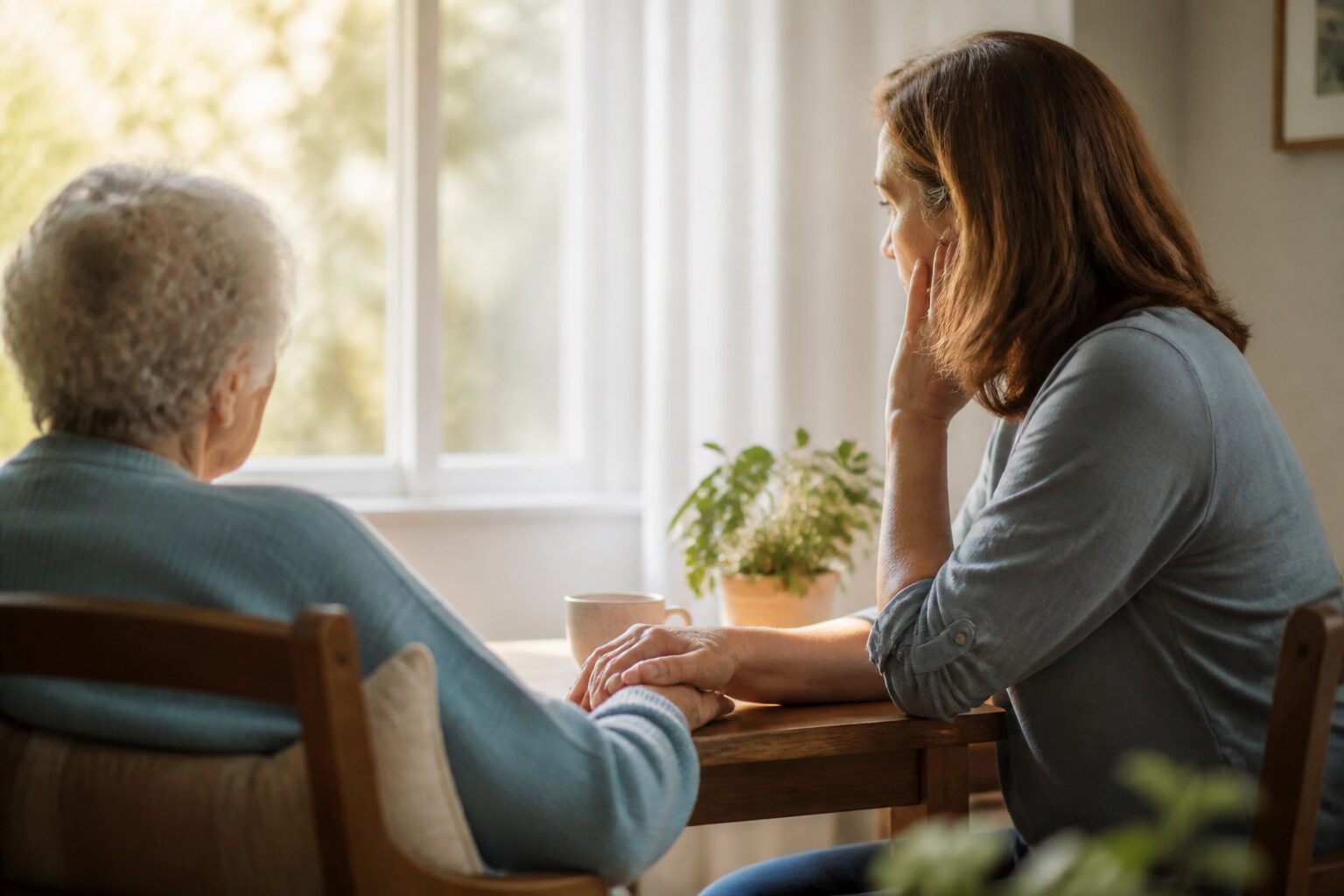
In their later years, my grandmother developed Alzheimer’s disease, and my grandfather, who already had heart problems, cared for her until it became too difficult. They were eventually placed in separate care settings. The daily rhythms they once shared gave way to hospital visits and facility routines. Within six weeks of each other, they both passed away. Witnessing their decline and the strain on our family deeply rooted my commitment to elder care.
My grandparents embodied loyalty, service, and community. They had dedicated their lives to others—working hard, saving carefully, and contributing to their family and neighborhood for decades. Yet when their health declined, the system that should have supported them fell short. Despite a lifetime of public service and preparation, they were forced to live apart at the end of their lives. The separation was painful and disjointed, denying them the comfort of aging and passing together in the way they deserved. That experience revealed how even the most devoted and prepared families can suffer when compassionate, coordinated care is out of reach.
Recently, I participated in the 12-week Geriatric Workforce Enhancement Program (GWEP) at Azusa Pacific University. The curriculum focused on the 4Ms framework—What Matters, Medication, Mentation, and Mobility—and offered practical, team-based training in best practices for geriatric care. I was inspired by the faculty’s expertise, the spirit of interdisciplinary collaboration, and the compassion woven through every module.
The 4Ms provide more than a checklist—they reflect a broader vision of aging well. They remind us that aging isn’t just about managing conditions; it’s about living with dignity, staying active, feeling valued, and experiencing compassion. Achieving this requires a team: physicians, nurses, social workers, chaplains, pharmacists, and therapists all working together to address body, mind, and spirit.
By 2030, about one in five Americans will be 65 or older. This shift presents both a challenge and an opportunity. Too many older adults face aging alone, navigating fragmented systems while families struggle to keep up. We need a national agenda that prioritizes accessible, coordinated, and compassionate care.
One promising approach is to expand volunteer and internship programs that bring students, retirees, and emerging healthcare professionals into elder-care settings. Pre-med and social work students could gain hands-on experience supporting older adults—learning communication, care coordination, and empathy. These programs would strengthen the workforce while building meaningful intergenerational relationships.
The most important lesson I’ve learned, both from personal experience and from GWEP, is that knowledge without compassion cannot carry us. Systems matter, but they are only as good as the people who bring them to life. True care happens when people commit to each other.
We must commit to a vision of kindness, shared responsibility, and connection—one that values each life, especially our elders. When we put compassion at the center of care, we build not only systems but communities of belonging and hope.
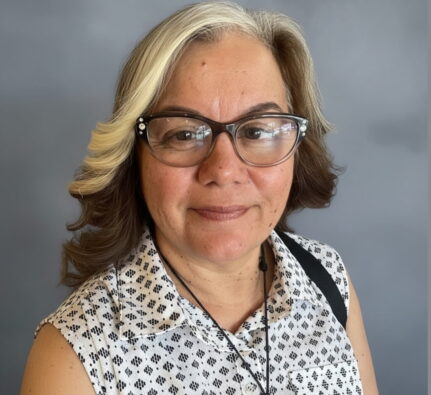
Contact: Jewels Chatman, MSW
A Better Place Services & Resources
Helping individuals and families navigate the challenges of aging through compassionate advocacy,
coordinated care, and meaningful connection.
Email: jewels@abetterplaceservicesandresources.com
Phone: (323) 561-6263