Upcoming Speaker
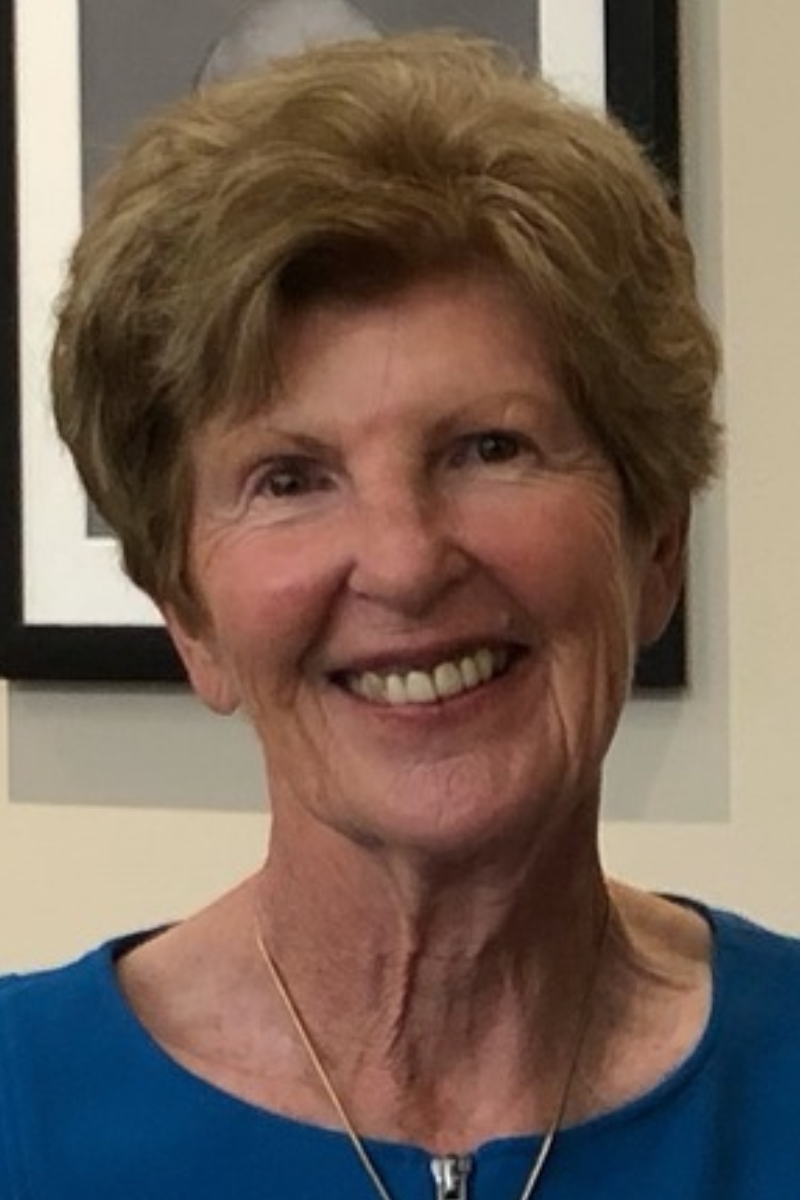
Ann Hablitzel
Seminar Title: Geriatric Frailty Syndrome
Presentation Date: 10/16/2026
Presentation Time: 11:00 AM
Seminar Details: This Continuing Education session covers Geriatric Frailty Syndrome (GFS), focusing on its definition, diagnostic criteria, and distinction from disability. It outlines associated health risks and guides health professionals on targeted multidisciplinary interventions, a 5-stage clinical progression model, and key metrics to measure, evaluate, and sustain an effective GFS program
Speaker Bio: Ann Marie Hablitzel is an accomplished nursing leader with over five decades of clinical and executive experience. Her career is defined by two impactful 25-year chapters: first in Maternal/Child Nursing, and later as the founder and CEO of Hospice Care of California. A recipient of the 2025 APU Nursing Clinical Excellence Award, Ann Marie has served on numerous executive boards, including the California Hospice and Palliative Care Association (CHAPCA) and the UCI Institutional Review Board. Driven by her belief that caring for patients at life’s beginning and end is a sacred honor, she continues to invest in the future of healthcare through the endowed Hablitzel Family Scholarship. She has been married to her husband for 58 years, and together they have two sons.
Seminar Objectives:
- Explain the American Geriatrics Society definition of Geriatric Frailty Syndrome and distinguish frailty from disability, as well as primary vs. secondary frailty.
- Recognize the 5 primary clinical criteria (muscle strength loss, weight loss, low activity, fatigue, slowed performance) and secondary indicators used to diagnose GFS.
- Evaluate the risks and health outcomes associated with GFS, including increased rates of falls, hospitalizations, functional decline, and healthcare expenditures.
- Apply targeted, multidisciplinary interventions for key frailty symptoms, including unintended weight loss, weakness, fatigue, pain, depression, and fall prevention.
- Utilize the 5-stage progression model (Early to Late/End-of-Life) to align clinical interventions, family support, and palliative goals of care at each phase.
- Identify the roles of the multidisciplinary Steering Committee and key outcome metrics needed to measure, evaluate, and sustain a GFS program.