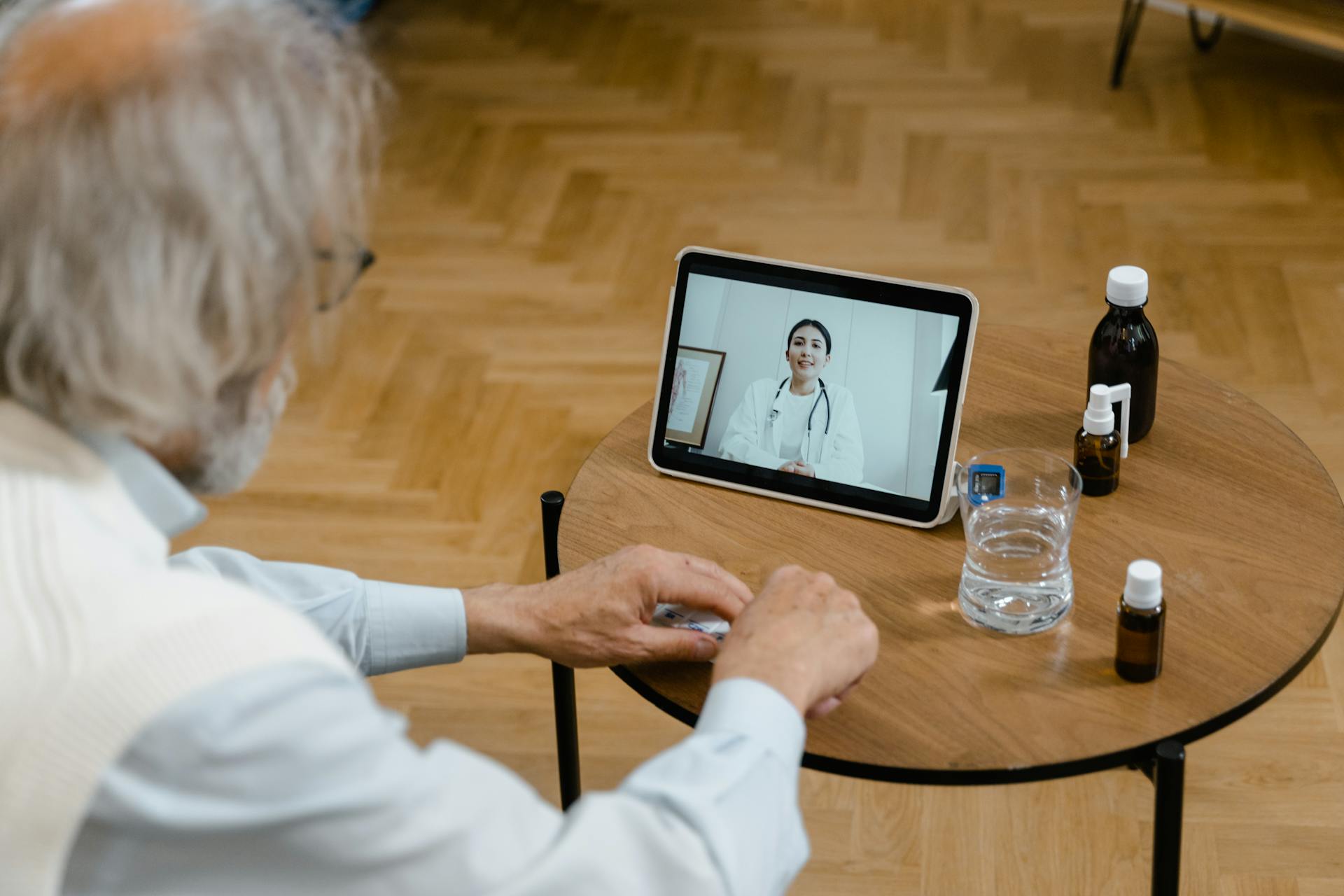
Telehealth continues to revolutionize geriatric care, particularly for homebound older adults, by providing convenient access that reduces transportation barriers, supports effective chronic condition management, and helps combat loneliness through improved mental health support. Telehealth encompasses a broad range of remote healthcare services, including patient education, monitoring, coordination, advice, reminders, and intervention, delivered via telecommunication technologies to support comprehensive care management. The COVID-19 pandemic accelerated its adoption, and as of January 2026- with Medicare flexibilities extended through January 30, 2026, including audio-only services, home-based visits, broad provider eligibility, and no geographic restrictions for non-behavioral health care-many seniors continue to benefit from sustained virtual options. The American Geriatrics Society’s (AGS) 2025 position statement reinforces telehealth’s value in delivering equitable, age-friendly care, integrating the 4Ms framework (What Matters, Medication, Mentation, Mobility) to address multicomplexity while calling for broadband enhancements, digital literacy support, inclusive designs, and caregiver involvement.
Challenges remain, especially for vulnerable homebound populations facing limited technology access, digital literacy gaps, physical or cognitive impairments, and caregiver dependencies-issues that can widen disparities in rural, low-income, or minority communities. Caregivers and nurses, however, serve as essential partners in bridging these gaps, assisting with setup, navigation, and participation to make telehealth feasible and effective. Our Geriatric Workforce Enhancement Program (GWEP) at Azusa Pacific University actively incorporates the latest innovations in teaching to empower interprofessional teams, including nurses, caregivers, and clinicians, in delivering age- friendly, person-centered virtual care.
Looking forward, opportunities are exciting: HIPAA-compliant Al tools like OpenEvidence’s real-time medical intelligence (with its August 2025 Visits feature for patient encounters) and secure Dialer for phone-based interactions (launched December 2025) enable instant, evidence-based documentation and insights during encounters, easing clinician workflows. Combined with user-friendly platforms, AI-supported remote monitoring, hybrid care models, and advocacy for universal broadband and fair reimbursement, telehealth can become even more inclusive, empowering older adults to age in place with independence, better outcomes, and truly high-quality care.
References and Resources
- American Geriatrics Society Position Statement: Telehealth Policy for Older Adults
(Holliday et al., 2025, Journal of the American Geriatrics Society): Full text available at
https://agsjournals.onlinelibrary.wiley.com/doi/10.1111/jgs.70004 (DOI:
10.1111/jgs.70004; PubMed: https://pubmed.ncbi.nlm.nih.gov/40650623/) - OpenEvidence Announcements (for HIPAA-compliant tools, including Visits and Dialer): Main page at https://www.openevidence.com/announcements
- HIPAA-secure Dialer (December 4, 2025): https://www.openevidence.com/announcements/openevidence-hipaa-secure-dialer-now-available
- HIPAA compliance announcement (April 25, 2025): https://www.openevidence.com/announcements/openevidence-is-now-hipaa-compliant