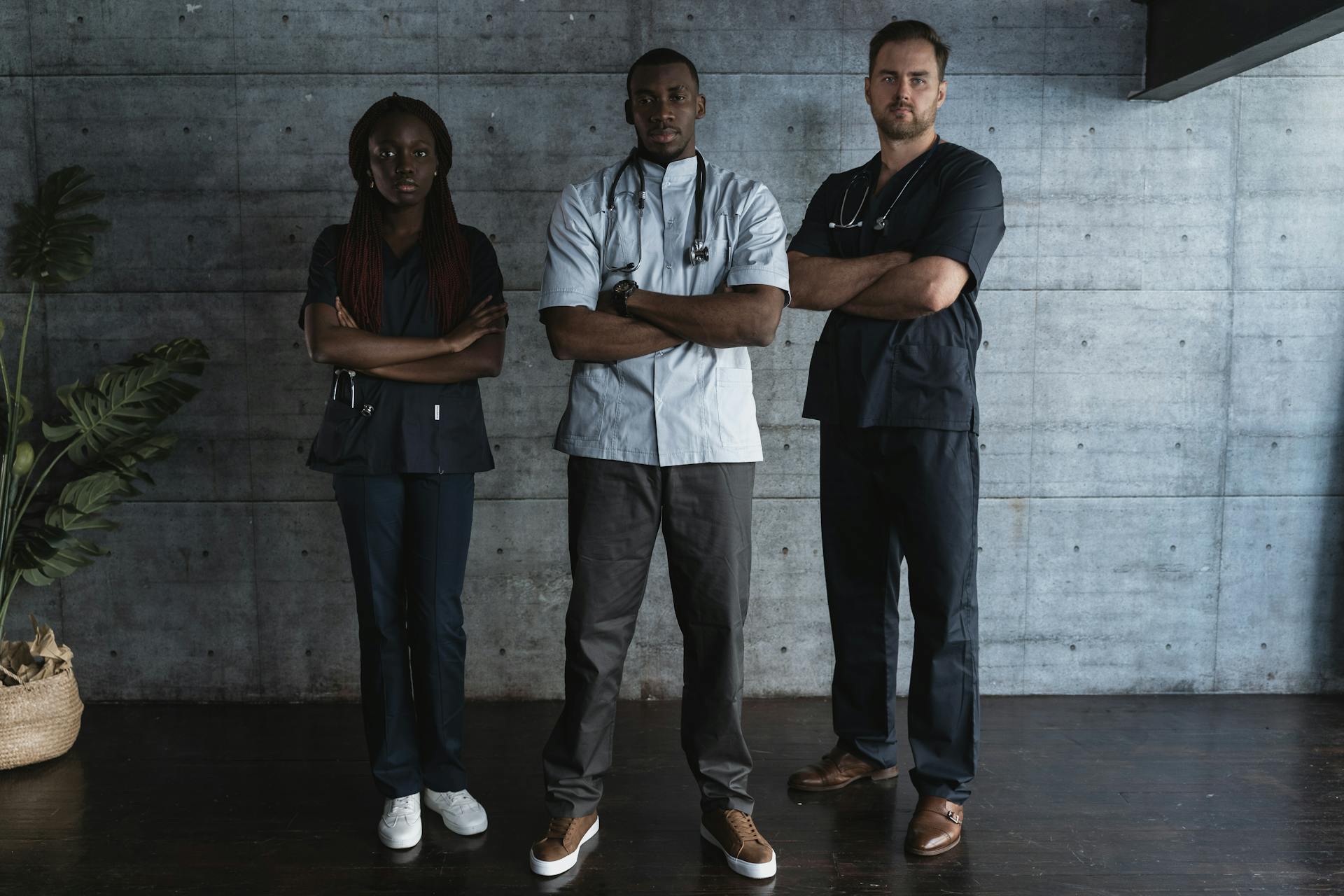
At Azusa Pacific University, we are committed to transforming the landscape of healthcare for our aging population. Following the successful debut of our Interprofessional Geriatric Training Program last year, we are thrilled to announce the launch of our second cohort, beginning March 5th, 2026.
From Vision to Reality: A Look Back at 2025
Supported by the Geriatric Workforce Enhancement Program (GWEP) grant from HRSA, our mission was ambitious: create a high-impact, 12-week hybrid course focused on the Age-Friendly Health Systems 4Ms framework (What Matters, Medication, Mentation, and Mobility).
The inaugural course launched in the summer of 2025, specifically designed for clinicians and direct-care workers serving TTOUR settings—Tribal, Tribal Organization, Underserved, and/or Rural communities. Our first cohort of 10 students successfully navigated the curriculum, bringing vital geriatric competencies back to the front lines of primary care.
Continuous Improvement: Listening to the “Voice of the Learner”
What sets the TTOUR program apart is our dedication to Rapid Cycle Quality Improvement. We don’t just teach; we evolve.
Following the first session, we held a comprehensive three-hour focus group with our students. This session generated over 80 improvement suggestions. Our faculty and project management team narrowed these down to 32 high-impact changes that have been systematically implemented through a formal Work Breakdown Structure (WBS).
When our new students log in this March, they will experience a curriculum refined by the real-world feedback of their peers, ensuring the content is as practical as it is academic.
Looking Ahead: The March 2026 Cohort
As we prepare for our second iteration starting today, March 5th, we are proud to welcome a larger group of approximately 15 students. This growth represents our expanding footprint in strengthening the geriatric workforce.
By integrating rigorous project management discipline with interprofessional expertise from nursing, medicine, pharmacy, social work, and spiritual care, we are ensuring that healthcare providers are not just prepared—they are empowered.