I encourage you to read the rest of this newsletter for more details on each of these initiatives and to explore our website at apu.agefriendly.care to learn more about our program and how you can get involved.

Thank you for your continued support of age-friendly, dementia-friendly care.

Upcoming Speaker

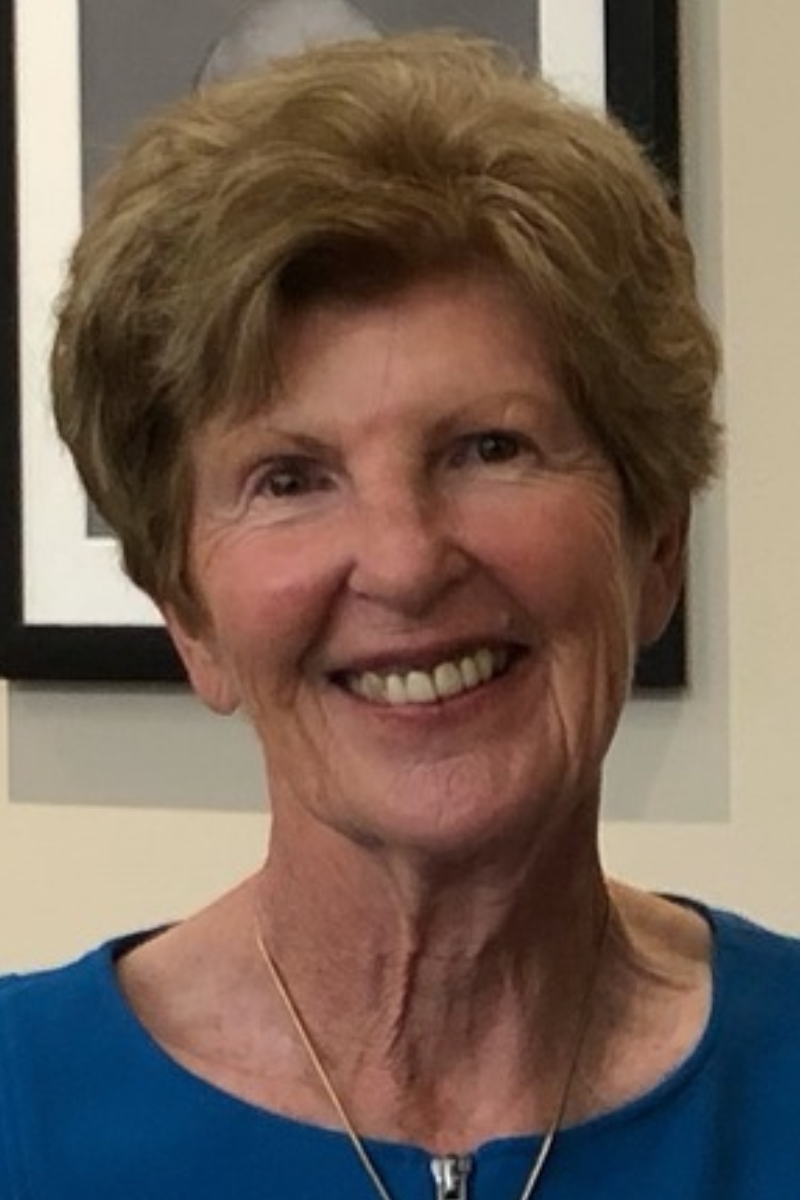
Ann Hablitzel

Seminar Title: Geriatric Frailty Syndrome

Presentation Date: 10/16/2026

Presentation Time: 11:00 AM

Seminar Details: This Continuing Education session covers Geriatric Frailty Syndrome (GFS), focusing on its definition, diagnostic criteria, and distinction from disability. It outlines associated health risks and guides health professionals on targeted multidisciplinary interventions, a 5-stage clinical progression model, and key metrics to measure, evaluate, and sustain an effective GFS program

Speaker Bio: Ann Marie Hablitzel is an accomplished nursing leader with over five decades of clinical and executive experience. Her career is defined by two impactful 25-year chapters: first in Maternal/Child Nursing, and later as the founder and CEO of Hospice Care of California. A recipient of the 2025 APU Nursing Clinical Excellence Award, Ann Marie has served on numerous executive boards, including the California Hospice and Palliative Care Association (CHAPCA) and the UCI Institutional Review Board. Driven by her belief that caring for patients at life’s beginning and end is a sacred honor, she continues to invest in the future of healthcare through the endowed Hablitzel Family Scholarship. She has been married to her husband for 58 years, and together they have two sons.

Seminar Objectives:

  • Explain the American Geriatrics Society definition of Geriatric Frailty Syndrome and distinguish frailty from disability, as well as primary vs. secondary frailty.
  • Recognize the 5 primary clinical criteria (muscle strength loss, weight loss, low activity, fatigue, slowed performance) and secondary indicators used to diagnose GFS.
  • Evaluate the risks and health outcomes associated with GFS, including increased rates of falls, hospitalizations, functional decline, and healthcare expenditures.
  • Apply targeted, multidisciplinary interventions for key frailty symptoms, including unintended weight loss, weakness, fatigue, pain, depression, and fall prevention.
  • Utilize the 5-stage progression model (Early to Late/End-of-Life) to align clinical interventions, family support, and palliative goals of care at each phase.
  • Identify the roles of the multidisciplinary Steering Committee and key outcome metrics needed to measure, evaluate, and sustain a GFS program.

Upcoming Speaker

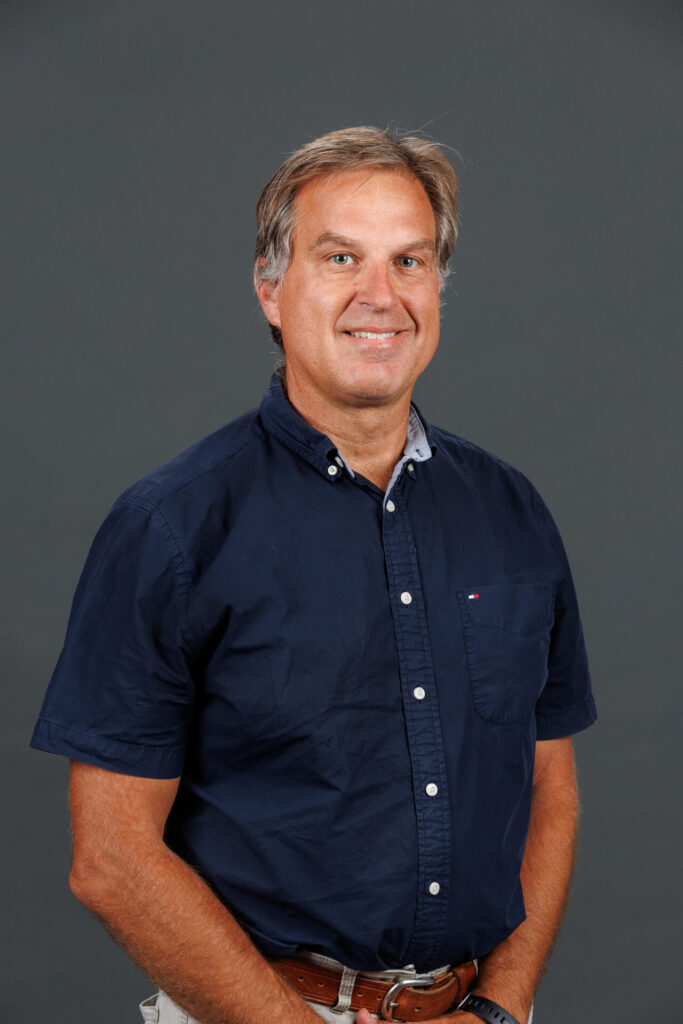
David Picella

Seminar Title: Lessons From GWEP: How to Keep Patients Out of the Hospital and Give Better Care at Home

Presentation Date: 10/23/2026

Presentation Time: 11:00 AM

Seminar Details: This presentation reframes caregiver failure not as a personal or family flaw, but as a critical clinical event that directly drives preventable hospitalizations and nursing home admissions for individuals with dementia. It highlights red flags, standardized screening tools, non-pharmacological interventions, and interprofessional care models—such as CMS’s GUIDE model—to support caregivers and stabilize dementia care.

Speaker Bio: David Picella, PhD, has practiced in Home-Based Primary Care (HBPC) as a nurse practitioner (NP) since 1997. In HBPC, Picella led interprofessional teams caring for older adults in nursing homes, assisted living facilities, home settings, and primary care clinics. He was a clinical preceptor at Azusa Pacific University (APU) for five years, followed by one year as adjunct faculty, after which he became full-time faculty in 2018. Currently, Picella serves as the director of the Adult Geriatric Nurse Practitioner (AGNP) Program at APU. In 2019, he received the Geriatric Academic Career Award (GACA) from the U.S. Health Resources and Services Administration (HRSA), focusing on improving gerontological competencies among faculty and other interprofessional students (IPE), while enhancing care for underserved older adult populations. His current clinical practice focuses on age-friendly and dementia-friendly healthcare in HBPC. Starting in 2023, Picella became project director (PD) for a new HRSA five-year, $5 million Geriatric Workforce Enhancement Program (GWEP) at APU. As PD for the GWEP, he is building an academic-practice-based community partnership to educate and train IPE faculty, staff, students, physicians, direct care workers, and others to achieve high-quality outcomes in underserved older adult communities.

Seminar Objectives:

  • Define caregiver failure and explain how it drives preventable hospitalization and nursing home placement in people living with dementia.
  • Recognize red flags of caregiver decompensation and select a validated screening tool for routine use.
  • Describe the GUIDE Model care team and apply navigation-based and non-pharmacological interventions that stabilize the caregiver.
  • Differentiate the roles and responsibilities within an interprofessional care team (e.g., clinicians, nurses, social workers, pharmacists, and navigators) in mitigating caregiver burden and managing ambulatory care-sensitive conditions.
  • Evaluate clinical risks associated with prescribing sedative and antipsychotic medications for behavioral and psychological symptoms of dementia (BPSD) compared to non-pharmacological management strategies.
  • Design an integrated clinical follow-up and evaluation plan using standardized outcome metrics to track caregiver strain, emergency department utilization, and team integration over time.

Upcoming Speaker

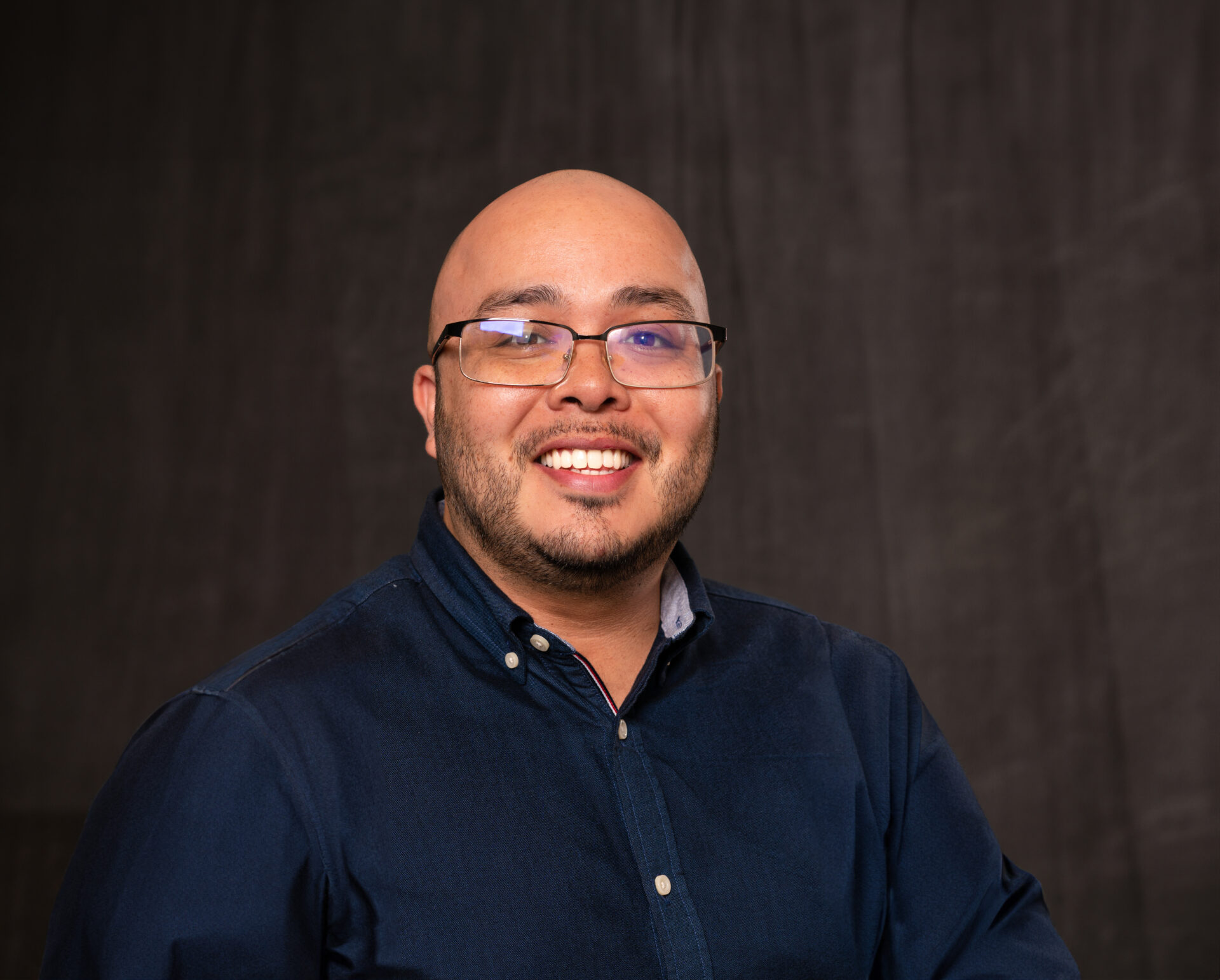
Edgar Cazares

Seminar Title: When Thoughts Become Verdicts: The WATCH Model for Interprofessional Spiritual Care & Chaplaincy Collaboration

Presentation Date: 11/20/2026

Presentation Time: 11:00 AM

Seminar Details: This presentation outlines the WATCH Model, an interprofessional pastoral framework bridging ancient contemplative practices and modern metacognition to address spiritual and existential distress in healthcare settings. It equips clinicians and chaplains with a five-step approach—Welcome, Attend, Trace, Choose, and Help—to address heavy, rigid thoughts before they become clinical verdicts or compulsively reinforced rumination loops.

Background: Rev. Edgar Cazares-Diaz, BCC, is a Board-Certified Chaplain, pastor, educator, and PsyD candidate in Behavioral Sciences with extensive experience spanning Level I trauma care, hospice and palliative services, and congregational leadership. He currently serves as Staff Chaplain and Bereavement Coordinator at Assistive Hospice, Trauma Chaplain at Scripps Health, Pastor of Pastoral Care & Counseling at Citywide Mosaic Church, and Adjunct Professor at SoCal School of Ministry. Holding a M.Div. in Chaplaincy and Biblical Languages and a B.S. in Criminal Justice, Rev. Cazares-Diaz leverages a background in federal reentry programming and clinical pastoral education to advance research and practical interventions in posttraumatic growth, grief recovery, and spiritually integrated mental health care.

Seminar Objectives:

  • Recognize statements of spiritual or existential “verdicts” (such as feelings of divine punishment, shame, or being a burden) in serious-illness care contexts.
  • Distinguish between helpful supportive care and repetitive reassurance that can inadvertently reinforce compulsive checking, rumination, or scrupulosity cycles.
  • Explain how the WATCH model bridges ancient theological concepts (logismoi, nepsis) with modern metacognitive theory to help patients alter how they relate to intrusive thoughts.
  • Utilize the 5-step WATCH framework (Welcome, Attend, Trace, Choose, Help) to respond to patient distress without panic, moralism, or therapeutic overreach.
  • Describe how chaplaincy care and the WATCH model align with the Age-Friendly 4Ms framework (specifically What Matters and Mentation) to support older adults experiencing losses or meaning distress.
  • Identify key clinical referral triggers and clear pathways for partnering with board-certified chaplains, palliative care, and behavioral health while remaining within one’s professional scope.

Upcoming Speaker

Ann Hablitzel

Seminar Title: Geriatric Frailty Syndrome

Presentation Date: 10/16/2026

Presentation Time: 11:00 AM

Seminar Details: This Continuing Education session covers Geriatric Frailty Syndrome (GFS), focusing on its definition, diagnostic criteria, and distinction from disability. It outlines associated health risks and guides health professionals on targeted multidisciplinary interventions, a 5-stage clinical progression model, and key metrics to measure, evaluate, and sustain an effective GFS program

Speaker Bio: Ann Marie Hablitzel is an accomplished nursing leader with over five decades of clinical and executive experience. Her career is defined by two impactful 25-year chapters: first in Maternal/Child Nursing, and later as the founder and CEO of Hospice Care of California. A recipient of the 2025 APU Nursing Clinical Excellence Award, Ann Marie has served on numerous executive boards, including the California Hospice and Palliative Care Association (CHAPCA) and the UCI Institutional Review Board. Driven by her belief that caring for patients at life’s beginning and end is a sacred honor, she continues to invest in the future of healthcare through the endowed Hablitzel Family Scholarship. She has been married to her husband for 58 years, and together they have two sons.

Seminar Objectives:

  • Explain the American Geriatrics Society definition of Geriatric Frailty Syndrome and distinguish frailty from disability, as well as primary vs. secondary frailty.
  • Recognize the 5 primary clinical criteria (muscle strength loss, weight loss, low activity, fatigue, slowed performance) and secondary indicators used to diagnose GFS.
  • Evaluate the risks and health outcomes associated with GFS, including increased rates of falls, hospitalizations, functional decline, and healthcare expenditures.
  • Apply targeted, multidisciplinary interventions for key frailty symptoms, including unintended weight loss, weakness, fatigue, pain, depression, and fall prevention.
  • Utilize the 5-stage progression model (Early to Late/End-of-Life) to align clinical interventions, family support, and palliative goals of care at each phase.
  • Identify the roles of the multidisciplinary Steering Committee and key outcome metrics needed to measure, evaluate, and sustain a GFS program.

Upcoming Speaker

David Picella

Seminar Title: Lessons From GWEP: How to Keep Patients Out of the Hospital and Give Better Care at Home

Presentation Date: 10/23/2026

Presentation Time: 11:00 AM

Seminar Details: This presentation reframes caregiver failure not as a personal or family flaw, but as a critical clinical event that directly drives preventable hospitalizations and nursing home admissions for individuals with dementia. It highlights red flags, standardized screening tools, non-pharmacological interventions, and interprofessional care models—such as CMS’s GUIDE model—to support caregivers and stabilize dementia care.

Speaker Bio: David Picella, PhD, has practiced in Home-Based Primary Care (HBPC) as a nurse practitioner (NP) since 1997. In HBPC, Picella led interprofessional teams caring for older adults in nursing homes, assisted living facilities, home settings, and primary care clinics. He was a clinical preceptor at Azusa Pacific University (APU) for five years, followed by one year as adjunct faculty, after which he became full-time faculty in 2018. Currently, Picella serves as the director of the Adult Geriatric Nurse Practitioner (AGNP) Program at APU. In 2019, he received the Geriatric Academic Career Award (GACA) from the U.S. Health Resources and Services Administration (HRSA), focusing on improving gerontological competencies among faculty and other interprofessional students (IPE), while enhancing care for underserved older adult populations. His current clinical practice focuses on age-friendly and dementia-friendly healthcare in HBPC. Starting in 2023, Picella became project director (PD) for a new HRSA five-year, $5 million Geriatric Workforce Enhancement Program (GWEP) at APU. As PD for the GWEP, he is building an academic-practice-based community partnership to educate and train IPE faculty, staff, students, physicians, direct care workers, and others to achieve high-quality outcomes in underserved older adult communities.

Seminar Objectives:

  • Define caregiver failure and explain how it drives preventable hospitalization and nursing home placement in people living with dementia.
  • Recognize red flags of caregiver decompensation and select a validated screening tool for routine use.
  • Describe the GUIDE Model care team and apply navigation-based and non-pharmacological interventions that stabilize the caregiver.
  • Differentiate the roles and responsibilities within an interprofessional care team (e.g., clinicians, nurses, social workers, pharmacists, and navigators) in mitigating caregiver burden and managing ambulatory care-sensitive conditions.
  • Evaluate clinical risks associated with prescribing sedative and antipsychotic medications for behavioral and psychological symptoms of dementia (BPSD) compared to non-pharmacological management strategies.
  • Design an integrated clinical follow-up and evaluation plan using standardized outcome metrics to track caregiver strain, emergency department utilization, and team integration over time.

Upcoming Speaker

Edgar Cazares

Seminar Title: When Thoughts Become Verdicts: The WATCH Model for Interprofessional Spiritual Care & Chaplaincy Collaboration

Presentation Date: 11/20/2026

Presentation Time: 11:00 AM

Seminar Details: This presentation outlines the WATCH Model, an interprofessional pastoral framework bridging ancient contemplative practices and modern metacognition to address spiritual and existential distress in healthcare settings. It equips clinicians and chaplains with a five-step approach—Welcome, Attend, Trace, Choose, and Help—to address heavy, rigid thoughts before they become clinical verdicts or compulsively reinforced rumination loops.

Background: Rev. Edgar Cazares-Diaz, BCC, is a Board-Certified Chaplain, pastor, educator, and PsyD candidate in Behavioral Sciences with extensive experience spanning Level I trauma care, hospice and palliative services, and congregational leadership. He currently serves as Staff Chaplain and Bereavement Coordinator at Assistive Hospice, Trauma Chaplain at Scripps Health, Pastor of Pastoral Care & Counseling at Citywide Mosaic Church, and Adjunct Professor at SoCal School of Ministry. Holding a M.Div. in Chaplaincy and Biblical Languages and a B.S. in Criminal Justice, Rev. Cazares-Diaz leverages a background in federal reentry programming and clinical pastoral education to advance research and practical interventions in posttraumatic growth, grief recovery, and spiritually integrated mental health care.

Seminar Objectives:

  • Recognize statements of spiritual or existential “verdicts” (such as feelings of divine punishment, shame, or being a burden) in serious-illness care contexts.
  • Distinguish between helpful supportive care and repetitive reassurance that can inadvertently reinforce compulsive checking, rumination, or scrupulosity cycles.
  • Explain how the WATCH model bridges ancient theological concepts (logismoi, nepsis) with modern metacognitive theory to help patients alter how they relate to intrusive thoughts.
  • Utilize the 5-step WATCH framework (Welcome, Attend, Trace, Choose, Help) to respond to patient distress without panic, moralism, or therapeutic overreach.
  • Describe how chaplaincy care and the WATCH model align with the Age-Friendly 4Ms framework (specifically What Matters and Mentation) to support older adults experiencing losses or meaning distress.
  • Identify key clinical referral triggers and clear pathways for partnering with board-certified chaplains, palliative care, and behavioral health while remaining within one’s professional scope.
Patient and Caregiver

News Articles:


Other Research Articles: