When evaluating financial and operational pressure on American healthcare, dementia occupies a category of its own. Unlike acute clinical events that resolve quickly, dementia represents a long-term economic and human strain spanning years or decades.
To build sustainable clinical models for our aging population, primary care systems must focus on the primary driver of patient outcomes: the health and stability of the unpaid family caregiver.
High Costs and Out-of-Pocket Strain
Data consistently shows that dementia care costs far outpace most other chronic conditions due to the sheer volume of personal care and continuous supervision required over time.
- The Total Cost: Research from the RAND Corporation shows that average total care costs in the final years of life for a person with dementia average ~$287,000—far outpacing typical care costs for cancer or heart disease.
- The Out-of-Pocket Burden: Families absorb an overwhelming share of this. Average out-of-pocket expenses for dementia patients are more than 80% higher than for individuals with other chronic illnesses ($62,000 vs. $34,000).
- The Unpaid Care Economy: The Alzheimer’s Association estimates that over 11 million Americans provide unpaid care for loved ones with dementia, delivering 18 billion hours of care annually—valued at over $340 billion per year.
Because Medicare covers hospitalizations and clinical procedures rather than long-term personal care, families absorb 70% of the lifetime financial burden through direct spending and lost workforce productivity.
Caregiver Strain Drives Hospital Readmissions
When a patient with dementia experiences repeated hospital admissions for complications like dehydration, falls, or behavioral crises, clinical documentation records the physical diagnosis. However, research confirms that caregiver burnout directly fuels these healthcare spikes.
Data from the national Health and Retirement Study (HRS) shows that severe caregiver fatigue and poor caregiver health independently predict higher patient emergency department utilization and Medicare expenditures. Furthermore, studies in JAMA Neurology highlight that older adults with dementia visit emergency rooms 1.4 million times a year—with behavioral crises driving twice the rate of emergency visits compared to peers without cognitive impairment.
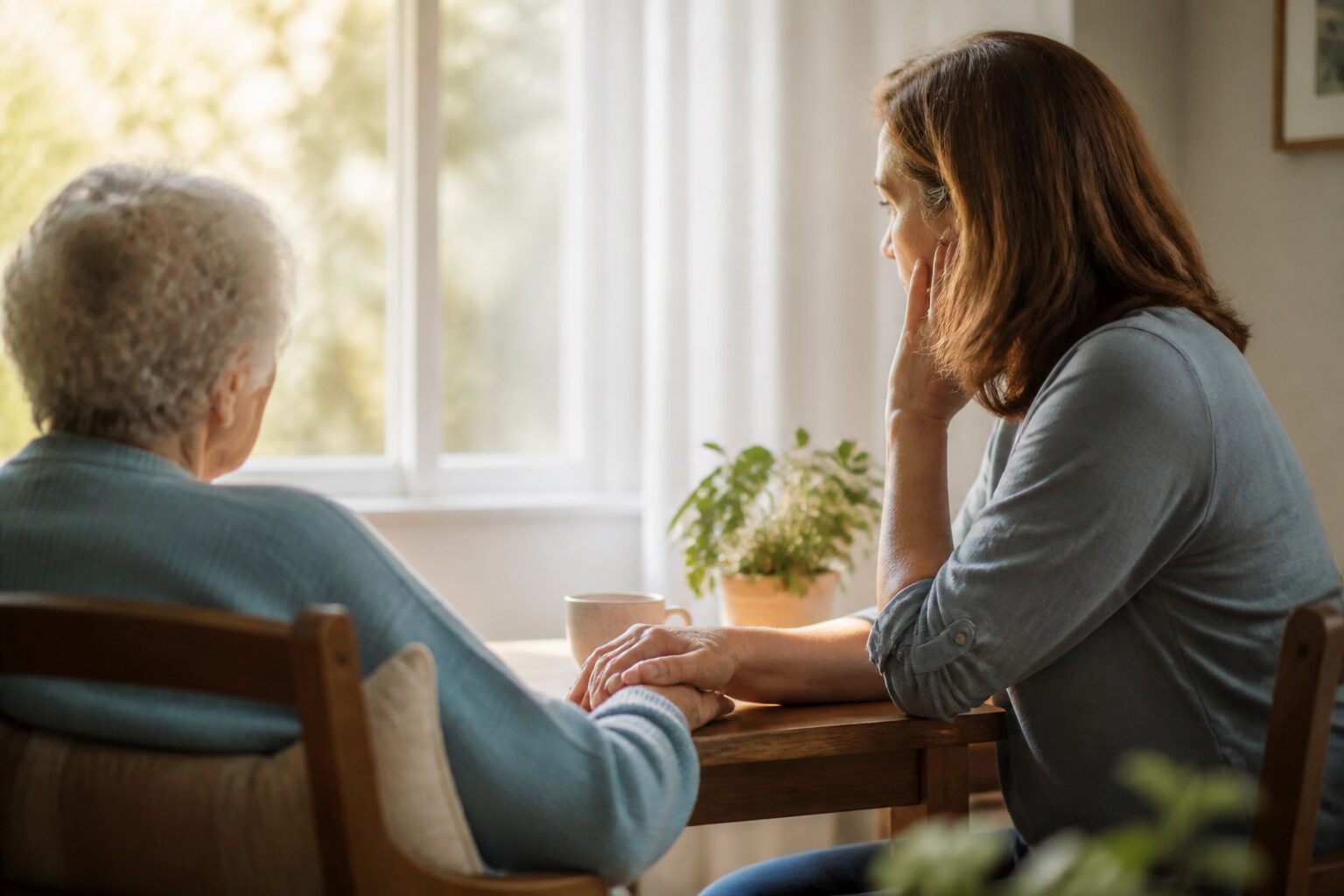
When a family caregiver reaches physical or emotional exhaustion, the fragile home-based care environment collapses. At that point, the emergency room becomes the default safety net for a functional and social crisis.
What Primary Care Must Do Next
Addressing caregiver strain is a primary clinical intervention that directly prevents avoidable hospital utilization. Primary care teams can start by:
- Conducting Systematic Caregiver Assessments: Evaluating caregiver strain during routine visits to catch distress before a breakdown occurs.
- Integrating Home-Based Primary Care (HBPC): Bringing interprofessional care teams into the home to support both patient and caregiver directly.
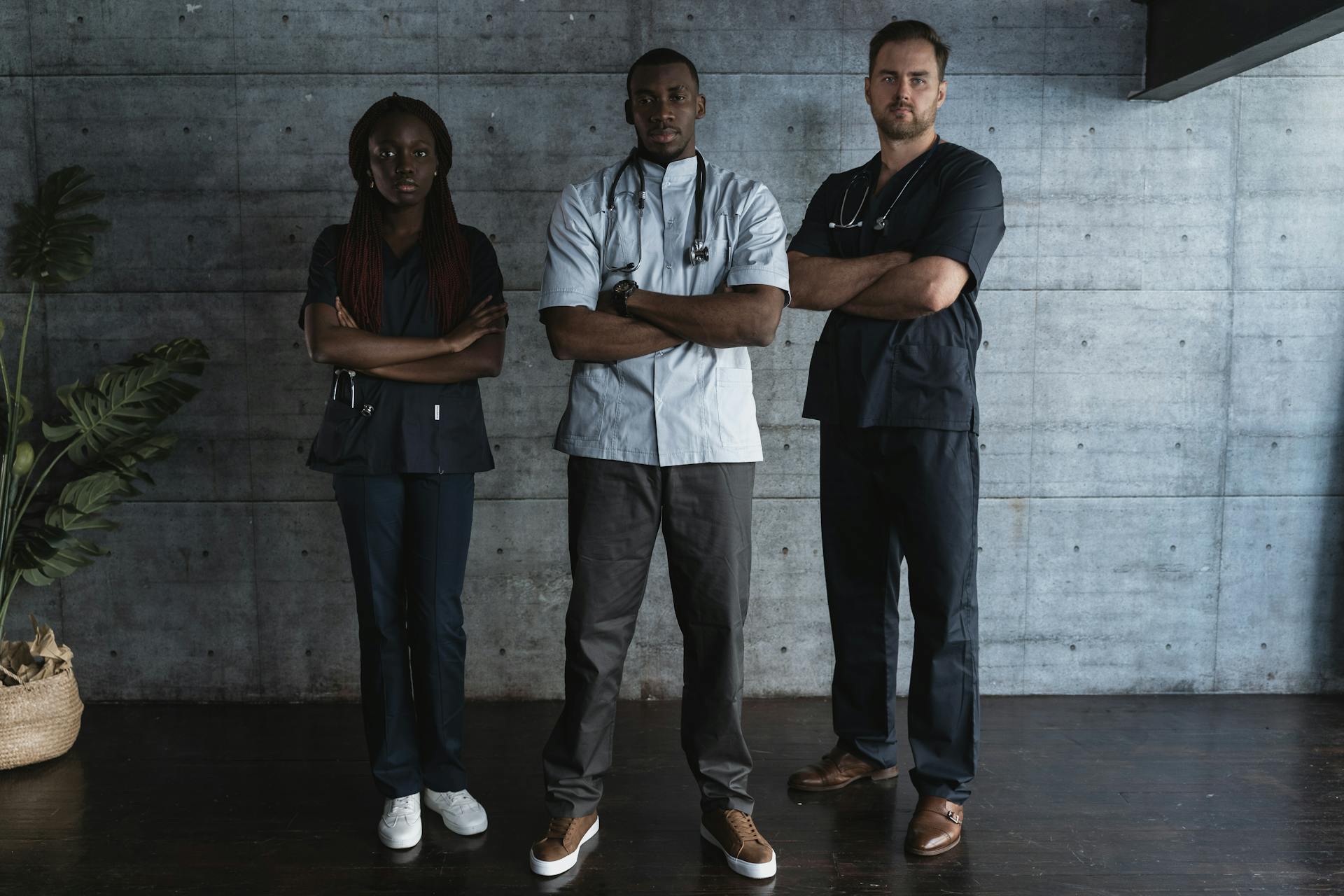
- Equipping a Specialized Navigation Workforce: Deploying healthcare navigators armed with specific skill sets in dementia behavior management, caregiver strain screening, respite coordination, and community benefit access.
Coming Soon to APU: To directly address this gap, our HRSA Geriatric Workforce Enhancement Program (GWEP) is launching a specialized workforce training program to certify Healthcare Navigators with specific skills tailored to caregiver support. Stay tuned for details on how this Healthcare Navigator initiative will equip professionals to stabilize families and transform community dementia care.
References & Selected Reading
- Monetary Costs of Dementia in the United States: https://doi.org/10.1056/NEJMsa1204629
- The Burden of Health Care Costs for Patients Who Die of Dementia: https://doi.org/10.7326/M14-0381
- 2023 Alzheimer’s Disease Facts and Figures: https://doi.org/10.1002/alz.13016
- The Association of Spousal Caregiver Wellbeing with Patient Healthcare Expenditures and Emergency Department Utilization: https://doi.org/10.1111/jgs.15174
- Characteristics of Emergency Department Visits Among Older Adults With Dementia: https://doi.org/10.1001/jamaneurol.2023.2244