Continuing Education
April 2026
1st Speaker of the Month:
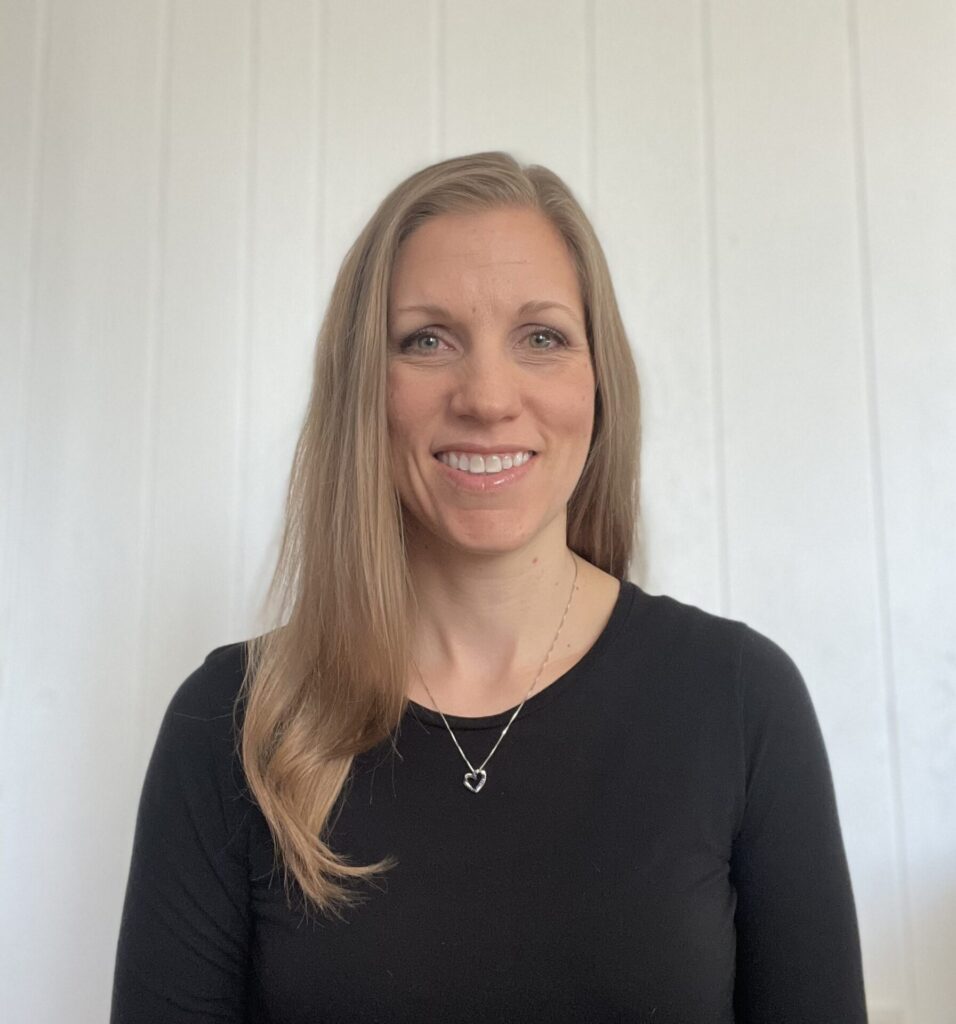
Erin Casale, BSN
Seminar Title: End-of-Life Nursing Care: Symptom Management in a Dying Patient
Presentation Date: 4/10/2026
Presentation Time: 11:00 AM
Seminar Details: This presentation provides a comprehensive guide for nurses on delivering compassionate and effective care to terminal patients who have chosen comfort-focused treatments over curative measures. The core of the presentation focuses on managing common physical and psychosocial symptoms—including pain, dyspnea (shortness of breath), nausea, anxiety, and agitation—through both pharmacological interventions, such as opioids and benzodiazepines, and non-pharmacological methods like repositioning, aromatherapy, and emotional support. By emphasizing the nurse’s role as a trusted advocate and partner to the family, the presentation outlines how to maintain patient dignity, provide essential family education, and perform respectful post-mortem care to ensure a peaceful passing of the patient.
Speaker Bio: Erin was born and raised in Southern California, and moved to Colorado in 2010. She found a love of healthcare in high school during a 2 yearlong health occupations program. During senior year she had a shadow internship in a hospital and got to see how many different departments function and see many different specialty areas of nursing care. She knew that being a nurse and helping people was what she wanted to do. Erin graduated from Azusa Pacific University School of Nursing BSN program in 2005. She started off working on inpatient oncology units for 14 years and has been caring for hospice patients since 2018. She is passionate about bedside nursing care.
When working in oncology, she had the privilege of providing end-of-life care in the hospital. Not all of those EOL situations were great, and she wanted the opportunity to help patients and families have better EOL experiences. Working in hospice, nursing care gets back to the heart nursing and of helping people. She loves making sure patients are comfortable and providing education to patients and their families.
In her spare time, Erin loves to cook, bake, hike, go for walks and hang out with her family. She and her husband Jeremy have been married for 12 years, they have 2 young daughters, Claire and Lauren, and a cat named Ella. Her favorite foods are tacos, eggplant parm, and just about any dessert. For the last 6 years, Erin has planned and executed the menu for an Afternoon Spring Tea event at her church that serves over 140 women.
Seminar Objectives:
- Verbalize the difference between palliative care and hospice care
- Identify medications used for comfort and symptom management in EOL care
- Describe non-pharmacological ways to provide comfort and symptom management
- Describe ways to support the patient and family members in understanding the purpose and effects of comfort‑focused treatments
2nd Speaker of the Month:
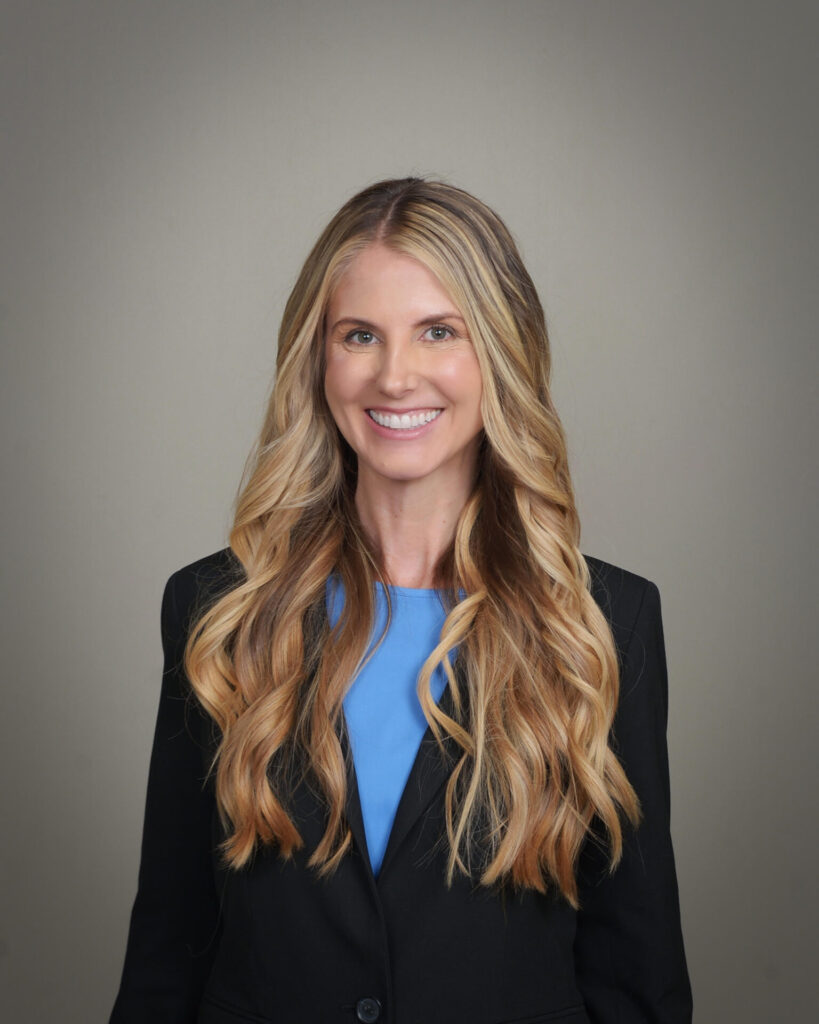
Marissa Brash, DrPH
Seminar Title: Addressing Caregiver Burden: Mental Health, Social and Economic Dimensions
Presentation Date: 4/17/2026
Presentation Time: 11:00 AM
Seminar Details: This presentation explores the multifaceted nature of caregiver burden and its impact on public health. The session defines burden through both objective measures like time and finances and subjective measures such as emotional distress. It highlights that approximately 48 million Americans serve as unpaid caregivers, often facing significant mental health challenges, physical health risks like cardiovascular issues, and severe economic impacts totaling $44 billion in lost productivity. Through the use of screening tools like the Zarit Burden Interview and the PHQ-9, the presentation advocates for a comprehensive support system that integrates clinical interventions, such as interdisciplinary care teams, with community resources and policy changes like paid family leave and tax credits.
Speaker Bio: Dr. Marissa Brash is Department Chair and Professor of the CEPH‑accredited Master of Public Health program in the College of Nursing & Health Sciences at Azusa Pacific University. A certified public health professional, she holds five graduate degrees: a DrPH in Epidemiology and an MPH in Biostatistics from Loma Linda University; an EdD in Mind, Brain, and Teaching from Johns Hopkins University; and an MS in Human Genetics & Genomics from Southern California University of Health Sciences. She began her academic journey with a BS in Biochemistry from the University of San Francisco.
Dr. Brash’s research centers on health equity in public health policy, with current projects spanning epigenetic‑based autoimmune prevention, neuroeducation, disaster preparedness, and food insecurity. She leads curriculum design, accreditation, assessment, and program evaluation for APU’s MPH program and serves as Public Health Liaison to the university’s Crisis Intervention Response Team (CIRT). Beyond campus, she sits on the Medical Science Advisory Board for Global Genes, advancing research and advocacy for the rare‑disease community. Passionate about student success and community impact, Dr. Brash integrates evidence‑based teaching with real‑world service to develop the next generation of public health leaders.
Seminar Objectives:
- Explain the concept of caregiver burnout and discuss its prevalence among the 48 million Americans providing unpaid care.
- Distinguish between “Objective Burden” (time, finances, and tasks) and “Subjective Burden” (emotional distress and stress).
- Describe the mental health, physical health, social, and economic consequences of caregiving, such as increased cardiovascular risk, social isolation, and lost wages.
- Identify clinical warning signs of caregiver strain—including exhaustion and medication management issues—and recognize high-risk factors like dementia care or limited family support.
- Apply standardized tools to assess caregiver well-being, such as the Zarit Burden Interview, the Caregiver Strain Index, and the PHQ-9.
- Apply evidence-based clinical, health system, and policy-level interventions, ranging from respite services and interdisciplinary care teams to advocating for paid family leave.
Past Speakers
April 2025
Past Speaker:
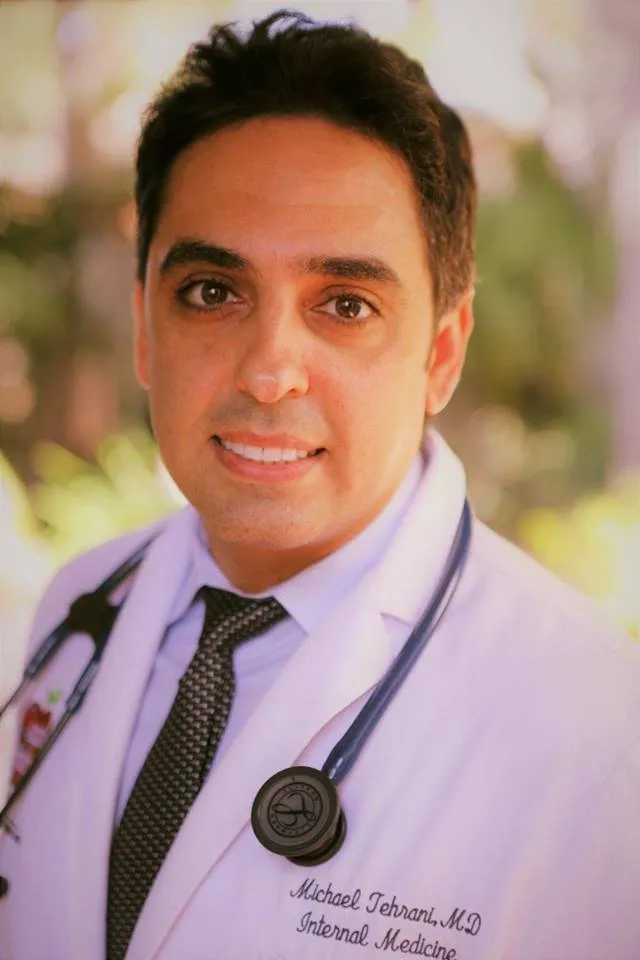
Michael Tehrani, M.D.
Seminar Title: Wound Care with Dr. Michael Tehrani
Background: Michael Tehrani, MD is a board‑certified internal‑medicine physician and geriatric specialist who founded and now leads MedWell, a practice built on his belief that seniors deserve rapid, compassionate, and preventive care wherever they live. After completing his internal‑medicine residency at the University of Southern California in 2013, Dr. Tehrani served as a hospitalist at Long Beach Memorial Hospital before focusing on geriatrics with the Medicare Advantage plan Brand New Day. His commitment to frequent medication reviews, robust education, and swift response times keeps his patients healthier and out of the hospital—an approach that earned him Meals on Wheels of Orange County’s Senior Care Hero Award in both 2019 and 2020. Known affectionately as “Dr. T,” he continues to refine MedWell’s model so older adults can enjoy longer, happier lives.
Not interested in this speaker?
Check out some of our past and Upcoming speakers:
Interested in Presenting at an Upcoming CE Event?
Click the button to submit an application:

Want to More Education?
Check out some of our Articles:
-
Elevating Geriatric Excellence: The TTOUR Course Returns This March

At Azusa Pacific University, we are committed to transforming the landscape of healthcare for our aging population. Following the successful…
-
Innovation Spotlight: Elli Cares App – Preventing Wandering, Connecting Families
Picture an older adult living alone in a suburban neighborhood. Their adult child lives far away, balancing work and family.…
-
California’s ALW Program: Reducing Nursing Home Costs with Access Challenges
California’s Assisted Living Waiver (ALW) program, a Medi-Cal initiative, fully funds the monthly cost of care, meals, and residence in…