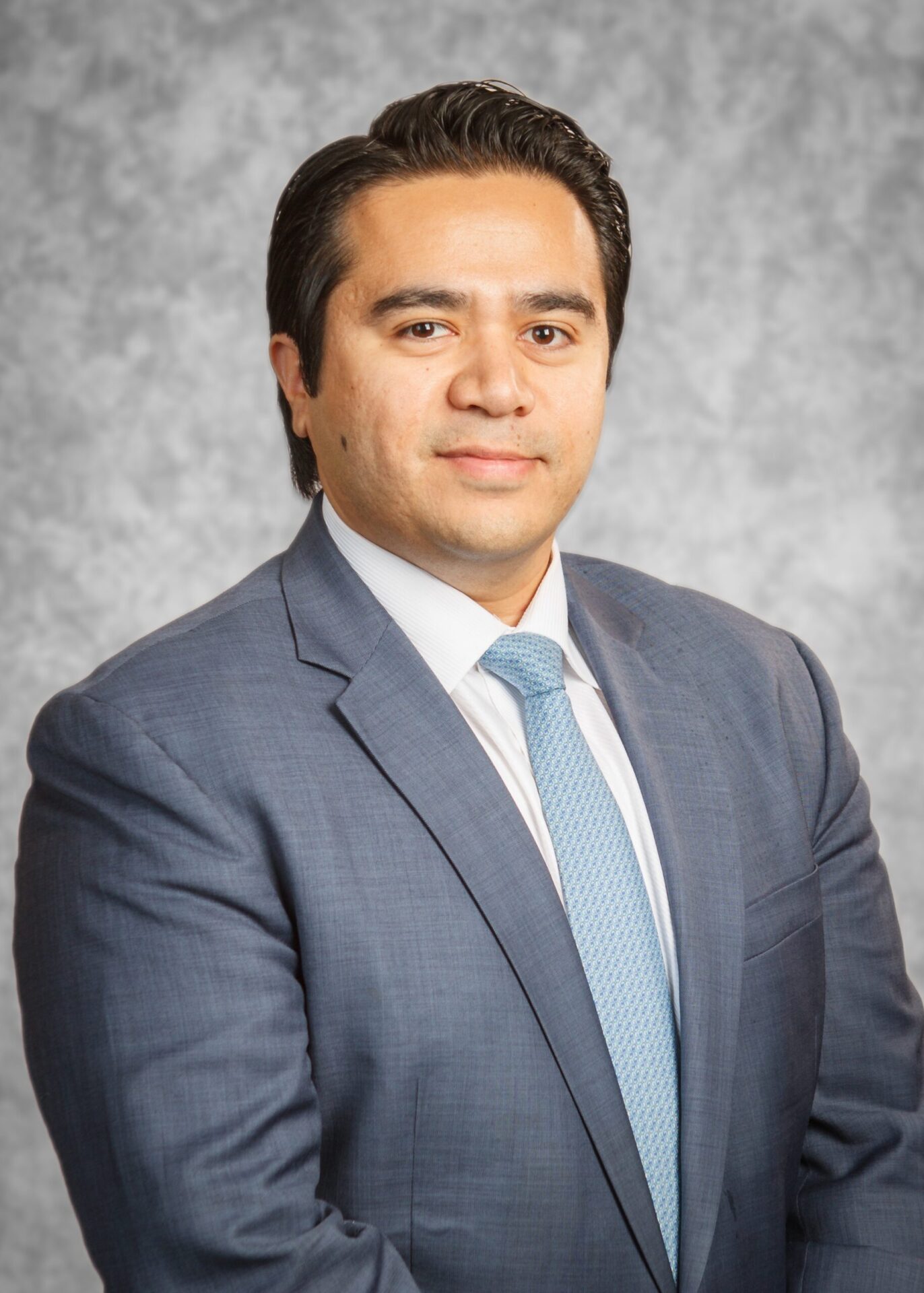
Past Speaker
Kristin Rigsbee
Seminar Title: Long Term Care Ombudsman
Presentation Date: 6/5/2026
Presentation Time: 11:00 AM
Seminar Details: This presentation provides a comprehensive overview of the Long Term Care (LTC) Ombudsman Program in San Diego County, detailing its mission to advocate for the dignity and quality of care for residents in long-term care facilities. Created in the mid-1970s as a federally mandated but state-administered volunteer program, the initiative operates across 84 skilled nursing and 590 residential care facilities in the region. It outlines the rigorous 40-hour training and certification process for its 35 volunteer advocates, their role in investigating complaints and elder abuse, and the specific rights of residents they are sworn to protect, such as freedom from retaliation and the right to self-determination. Additionally, the presentation emphasizes the necessity of resident consent for active intervention and provides contact information for 24-hour reporting and community training.
Speaker Bio: Kristin Rigsbee is the Education and Outreach Specialist for the County of San Diego Long Term Care Ombudsman Program. She received her B.S in Psychology from Appalachian State University in Boone North Carolina. She has worked for the past 25 years in the long-term care facilities in San Diego County. She has worked for 20 years as a case manager/social worker in several skilled nursing facilities. She has also worked for 5 years as the Memory Care Director in assisted living. She has held her RCFE Administrators License while working in assisted living. Prior to coming to the Ombudsman Program, she worked as a care coordinator for an Elder Law Attorney. In 2014 she came to the Ombudsman Program in the position as the North Coastal Regional Coordinator. 6 months later she was moved to her current position in Outreach and Education. In 2017 she received the “Tools of the Trade” award from the California Long Term Care Ombudsman Association for innovation and excellence in training. She continues to recruit all volunteers as well as provide the state certification training for new Ombudsman, and all community and facility training regarding elder issues and mandated reporting.
Seminar Objectives:
- Define the program’s role in advocating for the dignity and quality of life of residents and recognize its history as a federally mandated advocacy program created in the mid-1970s.
- Outline the scope of the San Diego County program, including its oversight of 84 skilled nursing facilities and 590 residential care facilities across six specific regions.
- Describe the primary duties of an Ombudsman, such as investigating complaints and elder abuse , and identify the training requirements for certified volunteers
- Summarize fundamental rights, such as the right to self-determination and freedom from restraints, while identifying common complaints like inappropriate discharge or inadequate staffing
- Identify the specific environmental and care factors Ombudsmen monitor during visits, including safety hazards, medication storage, and resident grooming.
- Understand the necessity of obtaining written resident consent before taking action and learn how to utilize the 24-hour confidential reporting system.
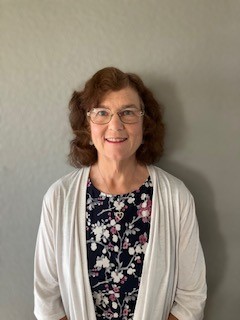
Past Speaker
Amit Khurana, PharmD
Seminar Title: From Bedside to Bottom Line: A Win-Win Playbook for Addressing Opioid Use Disorder in Older Adults
Presentation Date: 6/19/2026
Presentation Time: 11:00 AM
Seminar Details: This Grand Rounds presentation provides a comprehensive playbook for addressing Opioid Use Disorder (OUD) in older adults, specifically within Tribal, Underserved, and Rural (TTOUR) communities in California. The presentation utilizes the Age-Friendly 4Ms framework—What Matters, Medication, Mentation, and Mobility—to outline interdisciplinary roles for clinicians, pharmacists, and social workers in identifying and treating OUD. It emphasizes that improving OUD care is a “win-win” strategy that enhances patient outcomes, such as reduced mortality and fall prevention, while simultaneously optimizing financial sustainability through Medicare quality metrics like MIPS Measure 2 and various California-specific funding levers. By detailing clinical frameworks, treatment considerations for medications like buprenorphine, and a three-tier financial case, the presentation serves as a call to action for healthcare providers to implement routine screening and integrated care models.
Speaker Bio: Dr. Amit Kaur Khurana is a health insurance executive and pharmacist who drives pharmacy strategy in Medicare, Medicaid, Commercial, ACA and TRICARE lines of business. Over the last three decades, she has worked in community pharmacy, academia, and managed care organizations developing metric-driven, holistic solutions that result in increased wellness of targeted members. She is passionate about the future of healthcare as a continuum and believes in strengthening strategic partnerships between payors, providers and hospital systems to achieve higher quality and lower cost outcomes. She currently consults on Azusa Pacific University’s Geriatrics Workforce Enhancement Program (GWEP) grant as a Pharmacy subject-matter expert.
Seminar Objectives:
- Identify at least three clinical presentations of opioid use disorder (OUD) in adults aged 65 and older that are commonly misattributed to normal aging, dementia, or other comorbid conditions.
- Apply the Age-Friendly Health Systems 4Ms framework (What Matters, Medication, Mentation, Mobility) to the interdisciplinary assessment and management of OUD risk in older adults across various healthcare settings.
- Understand how documentation of OUD risk screening generates measurable reimbursement value for eligible clinicians and organizations.
- Differentiate the quality and reimbursement mechanisms relevant to each practice setting represented in TTOUR communities, and identify at least one actionable financial lever applicable to their own organizational context.
- Formulate at least one discipline-specific clinical or administrative action to improve OUD identification, treatment, and documentation in their practice setting that simultaneously advances patient-centered care goals and organizational quality performance outcomes.
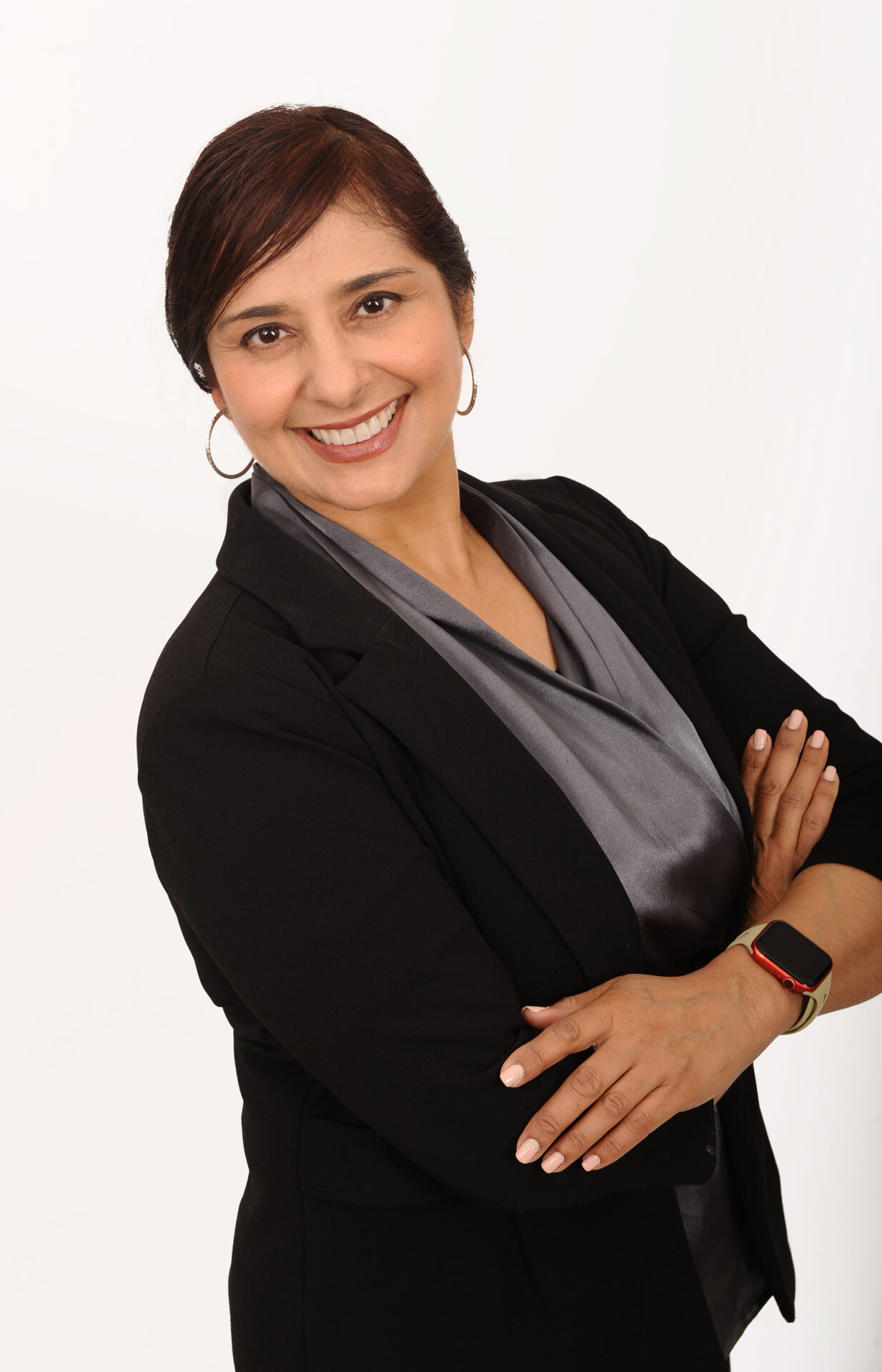
Past Speaker
Catherine Heinlein, EdD
Seminar Title: Diabetes Care in the Older Adult: Nutrition Implications
Presentation Date: 6/26/2026
Presentation Time: 11:00 AM
Seminar Details: This presentation explores person-centered care strategies that move beyond traditional clinical metrics. It highlights the significant intersection of aging, diabetes, and disability, noting that approximately 43.9% of adults aged 65 and older live with a disability and nearly 30% have diabetes. The core of the presentation advocates for an “inclusive lens” in nutrition that prioritizes quality of life, addresses food insecurity, and actively combats ableism and implicit bias within healthcare practices. By utilizing frameworks like the 4Ms (Mentation, Medications, Mobility, and What Matters Most), the session provides clinicians with best practices for communication—such as using person-first language—and a four-step process to simplify treatment plans to optimize safety and engagement for older patients.
Speaker Bio: Dr. Catherine Heinlein is an Associate Professor in the College of Nursing and Health Sciences at Azusa Pacific University in Azusa, California. With advanced degrees in leadership, nursing, and nutrition, she brings a unique, integrated approach to patient care and clinical instruction drawn from over 25 years of university-level teaching. Dr. Heinlein’s clinical and research work focuses heavily on diabetes prevention, management, and the nutritional implications of obesity. As a two-time Fulbright Scholar, her global health initiatives directly intersect with chronic disease management. During her 2017–2018 Fulbright tenure in India, she developed a highly successful “train-the-trainer” model, empowering nursing students to establish community-based diabetes prevention programs. Demonstrating her continued leadership in global education, she was recently awarded her second Fulbright scholarship (2026–2027) to return to India to focus on nursing curriculum development. Her commitment to community health spans both local and international landscapes. Dr. Heinlein has served as the lead nursing faculty for APU’s Short-Term Study Abroad India program in Kolkata, dedicating herself to improving access to primary prevention and diagnostics for non-communicable diseases like diabetes. Additionally, in collaboration with a research colleague since 2014, she conducts public health research and facilitates Community Health Nurse (CHN) training in Rwanda through Africa New Life Ministries. Previously, as Associate Director of APU’s Neighborhood Wellness Center, she collaborated with students to deliver hands-on nursing and nutrition care to the local community. An expert in dietary education, she also developed the university’s Minor in Nutrition, creating specialized coursework in Life Cycle Nutrition, Cultural Aspects of Foods, and Alternative Therapies—all of which heavily inform her holistic approach to geriatric diabetes care.
Seminar Objectives:
- Analyze current epidemiological trends regarding the prevalence of diabetes, prediabetes, and disability among older adults in the United States.
- Evaluate the clinical differences in physical health, cognitive risk, and economic impact between older adults with diabetes versus those without the condition.
- Identify and mitigate ableism and implicit bias within clinical practice to ensure equitable and inclusive care for patients with disabilities.
- Implement person-centered communication strategies, including the use of person-first language and the promotion of language choice, to empower older adults with diabetes.
- Apply the 4Ms Framework (Mentation, Medications, Mobility, and What Matters Most) to address specific issues affecting diabetes management in age-friendly health systems.
- Formulate a step-by-step approach to assess and modify treatment plans, prioritizing the prevention of hypoglycemia and addressing food insecurity over strict glycemic control in older populations.
Past Speaker
Anthony Wehbe, DO
Seminar Title: Acute Level Care at Home
Presentation Date: 6/19/2025
Presentation Time: 04:00 PM
Seminar Details: This presentation introduces the Hospital-at-Home (HaH) model as a safe, evidence-based, and cost-effective alternative to traditional inpatient hospitalization. Developed by leading clinicians and backed by data from national programs, this approach transforms patients’ homes into controlled, monitored care environments—reducing hospital-acquired infections, improving patient satisfaction, and lowering healthcare costs. The presentation outlines the clinical model, eligibility criteria, program workflow, and technology infrastructure used by Sena Health to deliver 24/7 coordinated care at home. It also highlights the advantages for patients, providers, and payers, and explains why medical groups are uniquely positioned to succeed with HaH programs.
Speaker Bio: Dr. Wehbe is an award-winning physician and healthcare executive whose people-centric, physician-focused leadership optimizes clinical outcomes and improves clinical performance to achieve optimal health and efficiency. He designs and executes strategies that maximize opportunities, while always improving clinical quality for patients and various organizations.