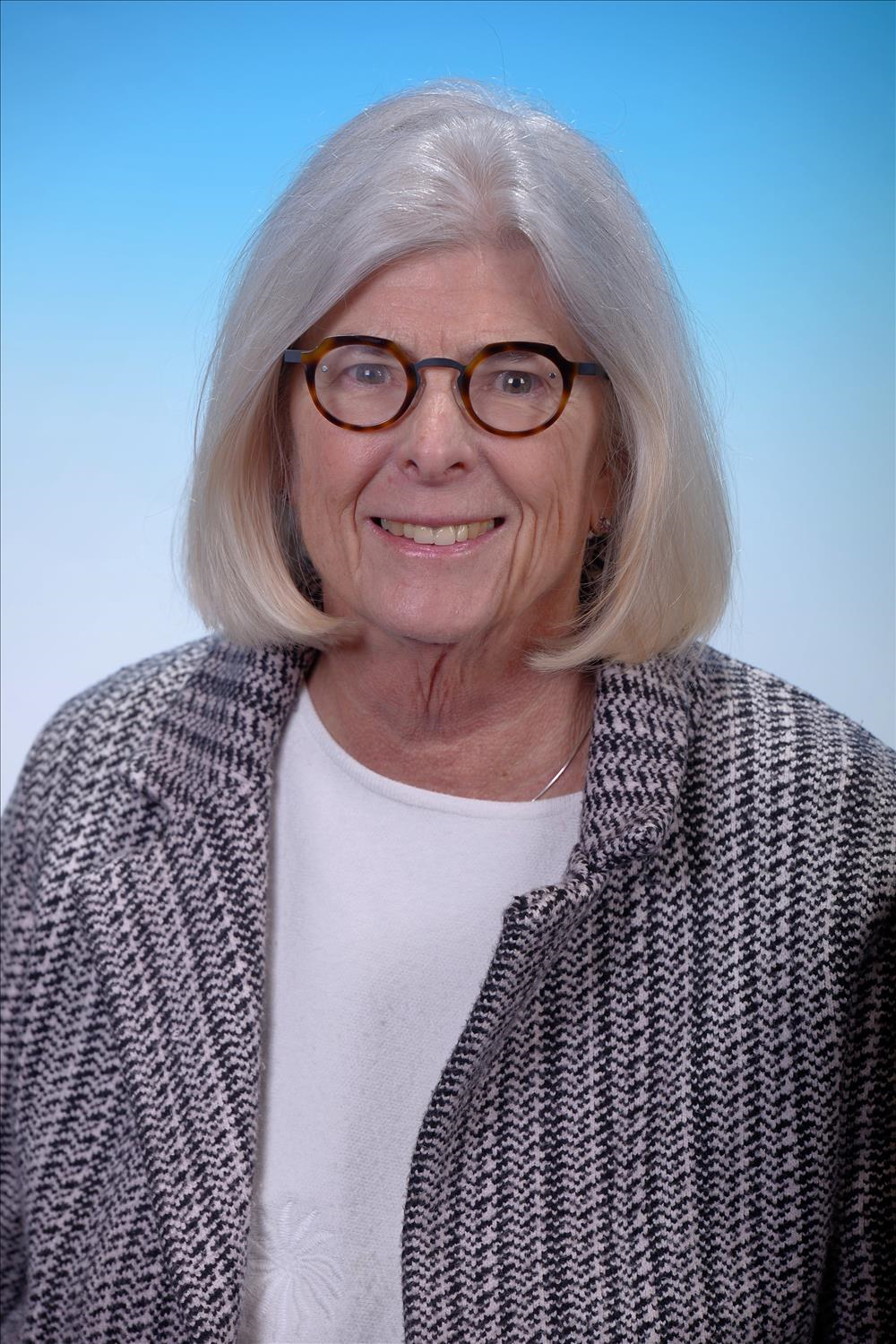
Past Speaker
Haesook Kim, PhD
Seminar Title: Caregiver Interaction With Diverse Older Adults: Example Of Korean American Older Adults Residing In Long Term Care Facilities
Presentation Date: 8/7/2026
Presentation Time: 11:00 AM
Seminar Details: This presentation will explore caregiver interactions with Korean American older adults in long-term care, highlighting how cultural, linguistic, and psychosocial factors influence communication and dementia symptoms. It will examine the impact of these interactions on resident well-being. Additionally, evidence-based strategies for culturally responsive communication and person-centered dementia care will be shared to improve care for diverse older adults.
Speaker Bio: Dr. Haesook Kim has worked to improve the quality of care for older adults and to advance nursing education. As person-centered and evidence-based care are core values in her nursing practice and education, she has consistently sought to incorporate them into her teaching. As a clinician, she has worked in orthopedics, telemetry, geriatrics, pain management clinics, FQHC/non-profit clinics. She has participated in various research projects, including behavioral symptoms of dementia, elder mistreatment, and culturally competent care for ethnic minority older adults. The findings from those studies have been published in journals and presented at conferences. The list of publications is here. Recently, her research has expanded to focus more on nursing education, particularly on integrating Point-of-Care Ultrasound (POCUS) into the Nurse Practitioner curriculum. She earned a Ph.D. from the University of California, Los Angeles, an MSN/GNP from the University of Michigan, and a BSN from Hanyang University in Korea. For the SIGMA (International Nursing Honor Society), she served as a faculty counselor (2018-2019), Treasurer of the Nu Xi at Large chapter, 2019-2026, and Region One, 2021-2027.
Seminar Objectives:
- Recognize the cultural, linguistic, and psychosocial factors that influence caregiver interactions and care experiences among diverse older adults, using Korean American residents in long-term care facilities as a case example.
- Apply culturally responsive communication and person-centered caregiving strategies to enhance caregiver-resident interactions, reduce behavioral and psychological symptoms associated with dementia, and improve the quality of care for diverse older adults in long-term care settings.
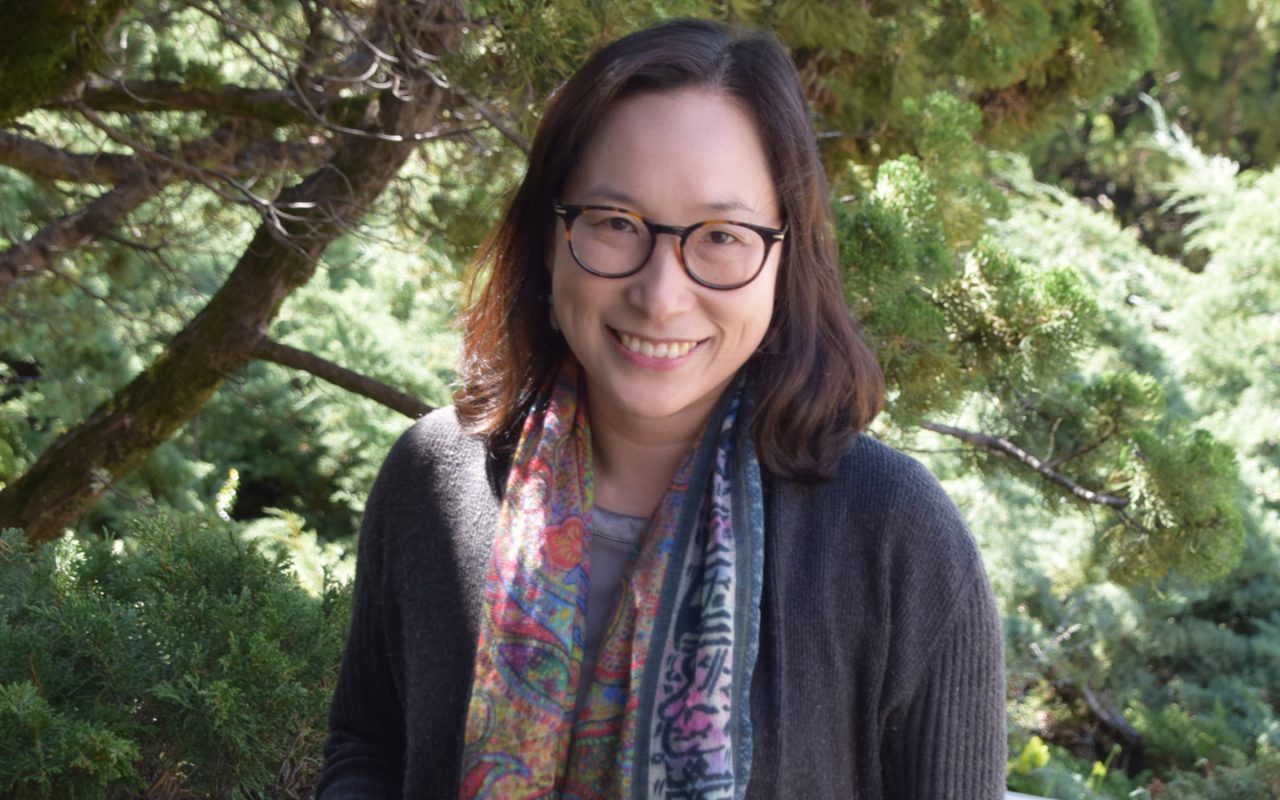
Past Speaker
Kathleen C. Buckwalter, PhD
Seminar Title: Behavioral Management Strategies in Dementia: The PLST Model
Presentation Date: 8/21/2026
Presentation Time: 11:00 AM
Seminar Details: This presentation details the Progressively Lowered Stress Threshold (PLST) model for managing behavioral symptoms in individuals with dementia. It outlines the progressive stages of dementia—from early memory loss to end-stage functional decline—and provides practical caregiver strategies, routine modifications, and environmental interventions designed to reduce stress, manage agitation, promote comfort, and support person-centered care.
Speaker Bio: Kathleen (Kitty) Buckwalter is recognized for her research in geropsychiatric nursing, caregiving and long-term care. One of the first nurses to receive a career development grant from the National Institute of Mental Health(1983-86), she has a sustained record of private and federal support related to the evaluation of non-pharmacological interventions for geropsychiatric populations from the National Institutes of Health, as well as private foundations. Her particular interest is in behavioral management strategies for psychological and behavioral symptoms in persons living with dementia (PLWD) and their caregivers, and the effectiveness of community programs to prevent, minimize, and treat psychiatric problems in the rural elderly and other community-based and institutional settings. With Geri Hall, Buckwalter developed an early conceptual framework, the Progressively Lowered Stress Threshold Model (PLST), for PLWD and their caregivers and has implemented, evaluated and revised the PLST model over the last 40 years. She is a member of the National Academy of Medicine and founding editor of Research in Gerontological Nursing and former editor of the Journal of Gerontological Nursing. The recipient of numerous honors and awards, including designation as an American Academy of Nursing Living Legend, Dr. Buckwalter serves on many national and international review committees, editorial boards, and advisory groups. She has authored over 415 peer reviewed articles, 90 book chapters, 10 health policy and commissioned papers, 50 monographs/videos/media, over 100 editorials/reviews/commentaries, and has edited eight books. Buckwalter has mentored 75 master’s and 57 doctoral students, as well as 27 postdoctoral fellows, and countless junior faculty. She has held leadership positions in numerous nursing, gerontological and research organizations.
Seminar Objectives:
- Describe basic principles, behaviors, common sources of stress, and goals of the Progressively Lowered Stress Threshold (PLST) Model
- Explain how caregivers can apply the model to better care for persons living with dementia (PLWD).