Past Speaker
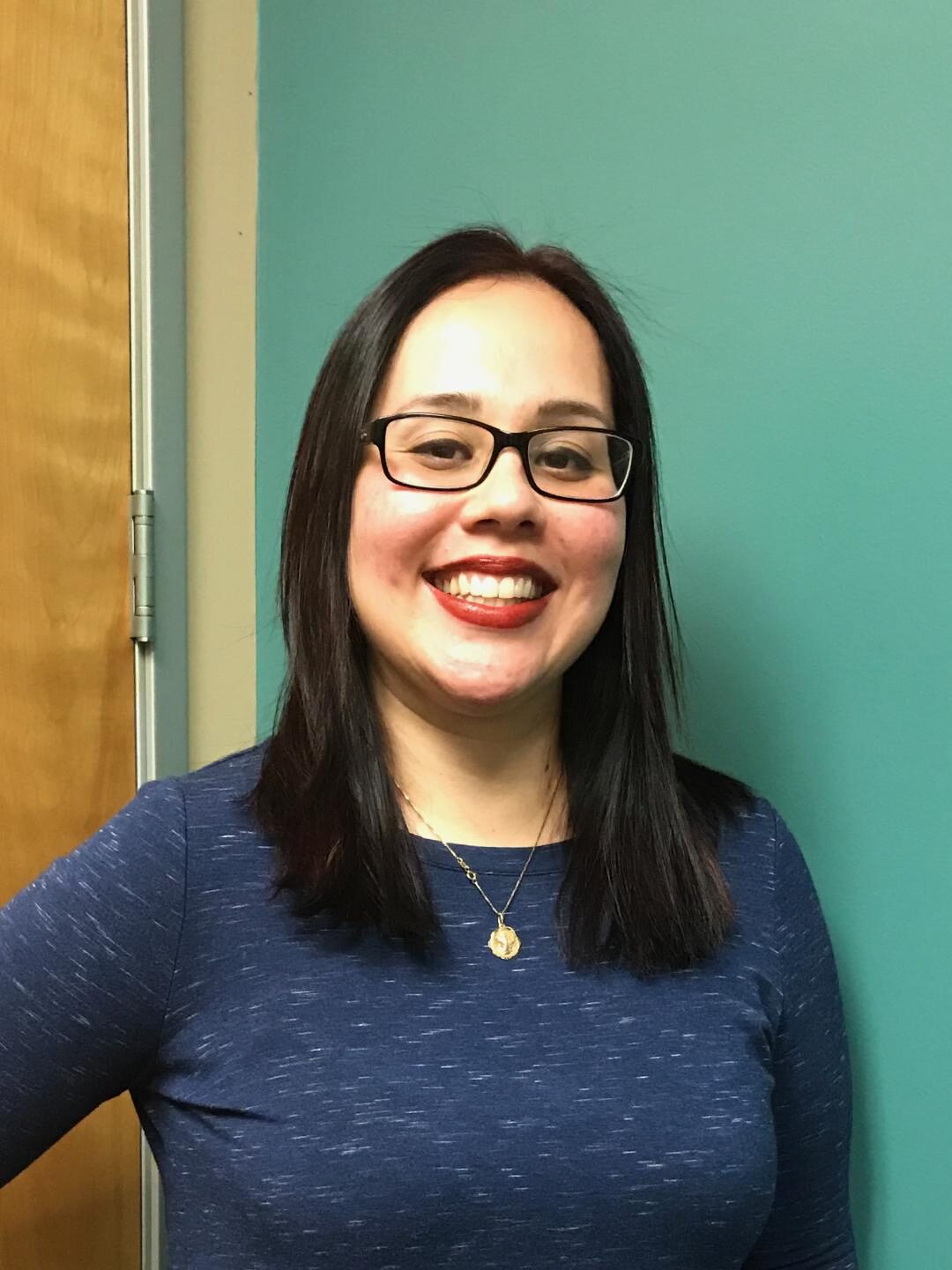
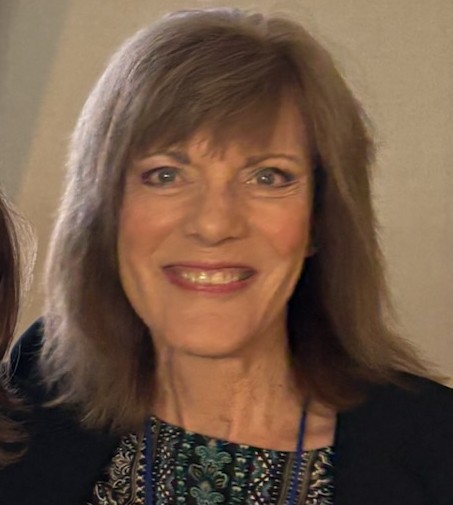
Karen D. French, DNP
Seminar Title: Osteoporosis: Time to Screen and Treat!
Presentation Date: 1/16/2026
Presentation Time: 11:00 AM
Seminar Details: This presentation will go over the identification, screening, and management of osteoporosis in primary care. It aims to equip healthcare providers with the tools to recognize at-risk patients—particularly perimenopausal and older women—and to utilize screening methods like the FRAX tool and DXA scans to stratify risk and prevent “silent” fragility fractures. The presentation will detail the pathophysiology of bone loss, the significant societal and financial impact of the condition, and comprehensive treatment options ranging from lifestyle modifications (like calcium, Vitamin D, and weight-bearing exercise) to pharmacological therapies such as bisphosphonates, denosumab, and anabolic agents. Ultimately, the goal is to promote proactive screening and effective long-term monitoring to reduce the high incidence of fractures and improve the quality of life for aging populations.
Speaker Bio: Dr. Karen D French is a Family Nurse Practitioner. She is both a practicing NP, as well as the Chair of the APRN department and an Associate Professor at Azusa Pacific University. She loves to combine teaching with being an active Family Nurse Practitioner, practicing in a hepatology and GI private practice,. Her area of scholarship and publications are focused on osteoporosis and increasing screening in high-risk populations. Her acute care clinical background was in critical care, open-heart ,CCU, school nursing, and home health care for high risk infants. She and her husband live and thrive in San Clemente, CA.
Seminar Objectives:
- Participants will be able to identify those patients at risk for osteoporosis
- Participants will be able to use various tools to appropriately screen women, stratifying by risk and making appropriate referral for bone densitometry.
- To incorporate screening for osteoporosis as part of the well woman exam for perimenopausal women and older.
- Learners will be able to determine first line medications for use in primary care, and when to refer to specialty.
Past Speaker
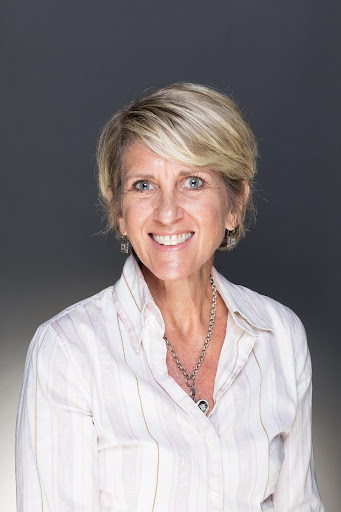
Christine Mlot, MD
Seminar Title: Dementia in Nursing Facilities
Presentation Date: 2/13/2025
Presentation Time: 04:00 PM
Seminar Details: This webinar will cover the prevalence and types of dementia, strategies for identifying reversible causes, key diagnostic tools, and the latest pharmaceutical treatments. Gain insights into managing and improving care for individuals with dementia and learn about valuable resources for healthcare professionals. Whether you’re a clinician, caregiver, or healthcare administrator, this session will provide practical knowledge to enhance dementia care practices.
Seminar Objectives:
- The learner will be able to differentiate between the common types of dementia, including Alzheimer’s Disease, Vascular Dementia, Lewy Body Dementia, and Frontotemporal Dementia, by their unique characteristics.
- The learner will be able to describe the purpose and process of common screening assessments for dementia, including the BIMS, Mini-Cog, and AD8.
- The learner will be able to explain the roles of various healthcare professionals (e.g., physicians, nurses, pharmacists, social workers, therapists) in providing comprehensive care for nursing home residents with dementia.
- The learner will be able to illustrate how an interprofessional approach can enhance the overall quality of life for individuals with dementia in nursing facilities by addressing their physical, cognitive, and psychosocial needs.
Past Speaker
Maddie Cheaney, PhD
Seminar Title: The Role of Footwear on Mobility in an Aging Population
Presentation Date: 3/6/2026
Presentation Time: 11:00 AM
Seminar Details: This presentation, will explore how foot biomechanics and footwear choices influence fall risk among older adults. It will outline the fundamental anatomy and functional requirements of the foot-ankle complex and cover common age-related dysfunctions, including reduced muscle power and increased gait variability, which serve as critical fall predictors. A central focus of this presentation will be on the use of “traditional” shoes—which may impede natural movement and dampen sensory feedback—in contrast to the potential therapeutic benefits of minimalist footwear. Additionally, a framework for a gradual, monitored transition to these alternatives to improve stability and functional performance in the elderly will be discussed.
Speaker Bio: Maddie Cheaney, PhD, CSCS, CES is an Assistant Professor and Kinesiology Program Director at Azusa Pacific University. Her kinesiology specialty is biomechanics, and she is passionate about applying her knowledge to help others and teach her students to improve movement, reduce injury risk, and enhance performance. Her research history includes analyzing firefighter biomechanics and the effects of prophylactic bracing, with a focus on understanding how common protective equipment can alter biomechanics. Maddie is married to a firefighter/paramedic, and together they have a 7-year-old son and a 5-year-old daughter.
Seminar Objectives:
- Identify the structural components of the foot-ankle complex and explain the functional roles of joint mobility, specifically the importance of ankle dorsiflexion and 1st MTP extension for efficient gait.
- Explain how mechanoreceptors on the sole of the foot provide critical sensory feedback for proactive balance corrections and how traditional footwear can dampen these inputs.
- Differentiate between muscle strength and muscle power as predictors of fall recovery and recognize gait variability metrics (such as step length and clearance) associated with increased risk.
- Critique how features like elevated heels and narrow toe boxes impact natural foot motion compared to the anatomical design and sensory benefits of minimalist footwear.
- Outline a progressive 16-week strategy for introducing minimalist footwear in older adults, including how to identify contraindications and manage risks during the adaptation phase.
Past Speaker
Flora Bessey, PharmD
Seminar Title: GLP1s and GIPS in Geriatric Care
Presentation Date: 3/13/2025
Presentation Time: 04:00 PM
Seminar Details: This webinar will dive into the clinical considerations, regulatory guidelines, and evidence-based strategies essential for managing complex geriatric needs. Attendees will gain practical insights on minimizing risks, addressing polypharmacy, and optimizing therapeutic efficacy for long-term care residents. Whether you’re a pharmacist, clinician, or healthcare administrator, join us to discover how targeted GLP1 treatments can elevate care standards and enhance patient well-being across the continuum of geriatric services.
Past Speaker
Erin Casale, BSN
Seminar Title: End-of-Life Nursing Care: Symptom Management in a Dying Patient
Presentation Date: 4/10/2026
Presentation Time: 11:00 AM
Seminar Details: This presentation provides a comprehensive guide for nurses on delivering compassionate and effective care to terminal patients who have chosen comfort-focused treatments over curative measures. The core of the presentation focuses on managing common physical and psychosocial symptoms—including pain, dyspnea (shortness of breath), nausea, anxiety, and agitation—through both pharmacological interventions, such as opioids and benzodiazepines, and non-pharmacological methods like repositioning, aromatherapy, and emotional support. By emphasizing the nurse’s role as a trusted advocate and partner to the family, the presentation outlines how to maintain patient dignity, provide essential family education, and perform respectful post-mortem care to ensure a peaceful passing of the patient.
Speaker Bio: Erin was born and raised in Southern California, and moved to Colorado in 2010. She found a love of healthcare in high school during a 2 yearlong health occupations program. During senior year she had a shadow internship in a hospital and got to see how many different departments function and see many different specialty areas of nursing care. She knew that being a nurse and helping people was what she wanted to do. Erin graduated from Azusa Pacific University School of Nursing BSN program in 2005. She started off working on inpatient oncology units for 14 years and has been caring for hospice patients since 2018. She is passionate about bedside nursing care. When working in oncology, she had the privilege of providing end-of-life care in the hospital. Not all of those EOL situations were great, and she wanted the opportunity to help patients and families have better EOL experiences. Working in hospice, nursing care gets back to the heart nursing and of helping people. She loves making sure patients are comfortable and providing education to patients and their families. In her spare time, Erin loves to cook, bake, hike, go for walks and hang out with her family. She and her husband Jeremy have been married for 12 years, they have 2 young daughters, Claire and Lauren, and a cat named Ella. Her favorite foods are tacos, eggplant parm, and just about any dessert. For the last 6 years, Erin has planned and executed the menu for an Afternoon Spring Tea event at her church that serves over 140 women.
Seminar Objectives:
- Verbalize the difference between palliative care and hospice care
- Identify medications used for comfort and symptom management in EOL care
- Describe non-pharmacological ways to provide comfort and symptom management
- Describe ways to support the patient and family members in understanding the purpose and effects of comfort‑focused treatments
Past Speaker
Marissa Brash, DrPH
Seminar Title: Addressing Caregiver Burden: Mental Health, Social and Economic Dimensions
Presentation Date: 4/17/2026
Presentation Time: 11:00 AM
Seminar Details: This presentation explores the multifaceted nature of caregiver burden and its impact on public health. The session defines burden through both objective measures like time and finances and subjective measures such as emotional distress. It highlights that approximately 48 million Americans serve as unpaid caregivers, often facing significant mental health challenges, physical health risks like cardiovascular issues, and severe economic impacts totaling $44 billion in lost productivity. Through the use of screening tools like the Zarit Burden Interview and the PHQ-9, the presentation advocates for a comprehensive support system that integrates clinical interventions, such as interdisciplinary care teams, with community resources and policy changes like paid family leave and tax credits.
Speaker Bio: Dr. Marissa Brash is Department Chair and Professor of the CEPH‑accredited Master of Public Health program in the College of Nursing & Health Sciences at Azusa Pacific University. A certified public health professional, she holds five graduate degrees: a DrPH in Epidemiology and an MPH in Biostatistics from Loma Linda University; an EdD in Mind, Brain, and Teaching from Johns Hopkins University; and an MS in Human Genetics & Genomics from Southern California University of Health Sciences. She began her academic journey with a BS in Biochemistry from the University of San Francisco. Dr. Brash’s research centers on health equity in public health policy, with current projects spanning epigenetic‑based autoimmune prevention, neuroeducation, disaster preparedness, and food insecurity. She leads curriculum design, accreditation, assessment, and program evaluation for APU’s MPH program and serves as Public Health Liaison to the university’s Crisis Intervention Response Team (CIRT). Beyond campus, she sits on the Medical Science Advisory Board for Global Genes, advancing research and advocacy for the rare‑disease community. Passionate about student success and community impact, Dr. Brash integrates evidence‑based teaching with real‑world service to develop the next generation of public health leaders.
Seminar Objectives:
- Explain the concept of caregiver burnout and discuss its prevalence among the 48 million Americans providing unpaid care.
- Distinguish between “Objective Burden” (time, finances, and tasks) and “Subjective Burden” (emotional distress and stress).
- Describe the mental health, physical health, social, and economic consequences of caregiving, such as increased cardiovascular risk, social isolation, and lost wages.
- Identify clinical warning signs of caregiver strain—including exhaustion and medication management issues—and recognize high-risk factors like dementia care or limited family support.
- Apply standardized tools to assess caregiver well-being, such as the Zarit Burden Interview, the Caregiver Strain Index, and the PHQ-9.
- Apply evidence-based clinical, health system, and policy-level interventions, ranging from respite services and interdisciplinary care teams to advocating for paid family leave.
Past Speaker
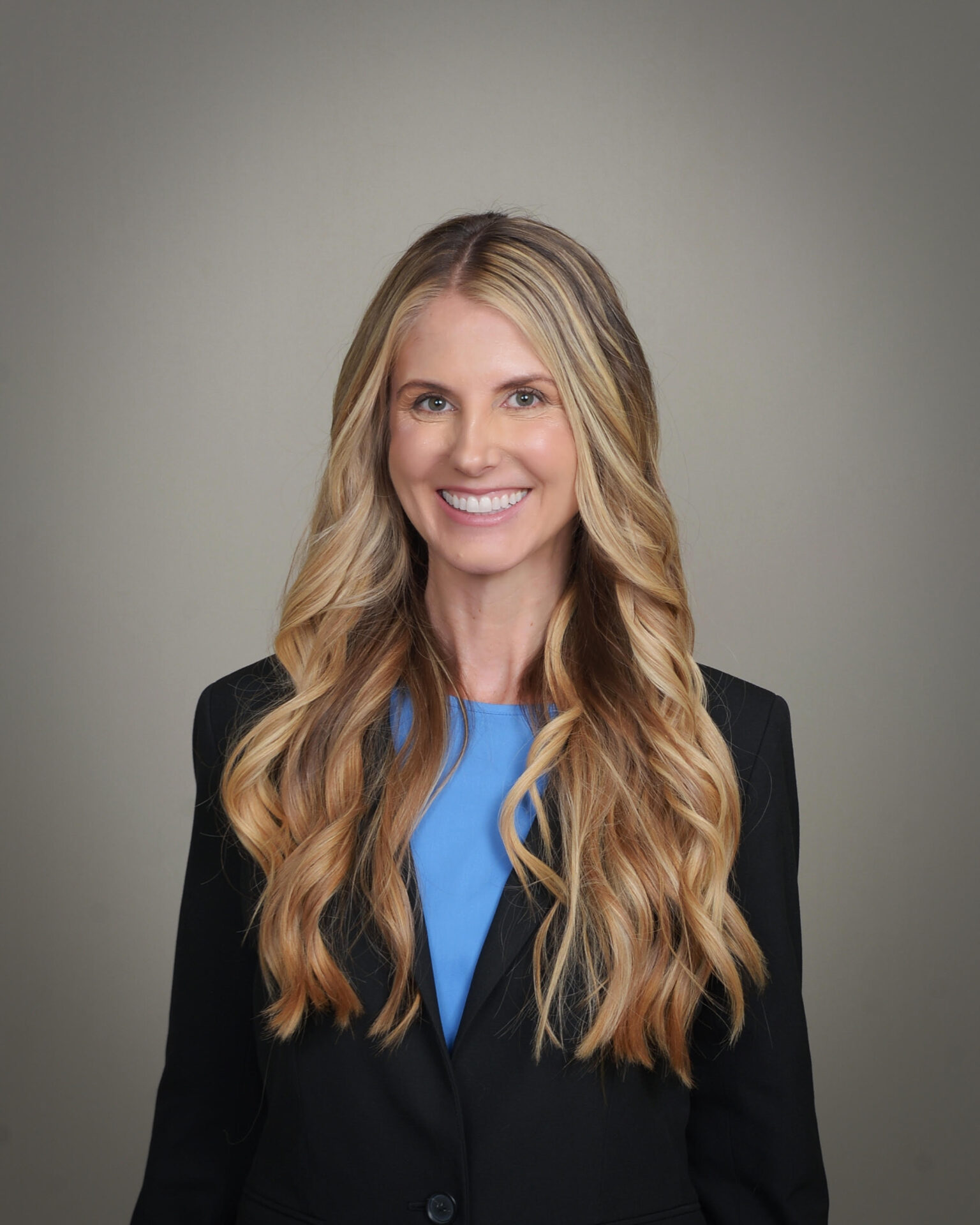
Maryam Tabrizi, DMD
Seminar Title: Oral Health IS Health
Presentation Date: 4/28/2026
Presentation Time: 11:00 AM
Seminar Details: The presentation, titled “Oral Health IS Health,” was delivered in April 2026 by Dr. M. Tabrizi as part of the Azusa Pacific University and UNLV NIHAN project. Its primary objective is to integrate geriatric oral health into the Age-Friendly Health System by utilizing the 4Ms framework—What Matters, Medication, Mentation, and Mobility. Dr. Tabrizi emphasizes that comprehensive care is impossible without oral health, as conditions like xerostomia (dry mouth), cognitive decline, and medication side effects directly impact an older adult’s overall well-being. The session provides clinical tools, such as a modified oral health status examination, to help non-dental healthcare providers identify risks like oral cancer, ill-fitting prostheses, and malnutrition. Ultimately, the presentation advocates for effective interdisciplinary communication among RNs, PCPs, and family members to ensure that oral care remains a priority in geriatric treatment.
Speaker Bio: Dr. Tabrizi received her DMD in 1991 from Temple University School of Dentistry. She owned her own dental practice in Pennsylvania for 20 years before she left full-time practice and joined her colleagues in dental education. She started teaching at Temple University, where she received her master’s degree in public health. She then moved to Texas after accepting a full-time position at the University of Texas School of Dentistry in Houston. Dr. Tabrizi is a recognized geriatric dentist nationally & internationally. She serves as a member and a leader in multiple local/ national and international organizations on Gerontology and Geriatrics oral health. Dr. Tabrizi has been published in local, national, and international dental Journals. She is an author of many chapters on oral health and on the management of geriatric health, published by Springer, Elsevier, and other reputable publishers. She is a clinician, an educator, a researcher, and an advocate for positive aging. She is a pioneer in integrating oral health and overall health. Developing an oro- systemic health care delivery system in the past 10 years of her career.
Seminar Objectives:
- Define and apply the 4Ms (What Matters, Medication, Mentation, and Mobility) to ensure oral health is a core component of comprehensive geriatric care.
- Analyze how various medications can alter mouth pH levels and identify these changes as root causes for preventable oral diseases.
- Examine the relationship between increasing cognitive impairment (Mentation) and the heightened risk of developing oral diseases in older adults.
- Recognize physical, mental, and financial barriers—categorized under “Mobility”—that prevent older adults from achieving optimal oral hygiene.
- Utilize standardized assessment tools, such as the modified Kayser-Jones Brief Oral Health Status Examination (BOHSE), to screen for abnormalities like lesions, dry mouth, and ill-fitting prostheses.
- Describe how the absence of oral health within the 4Ms structure can lead to severe systemic outcomes, including malnutrition, undetected oral cancer, and aspiration pneumonia.
Past Speaker
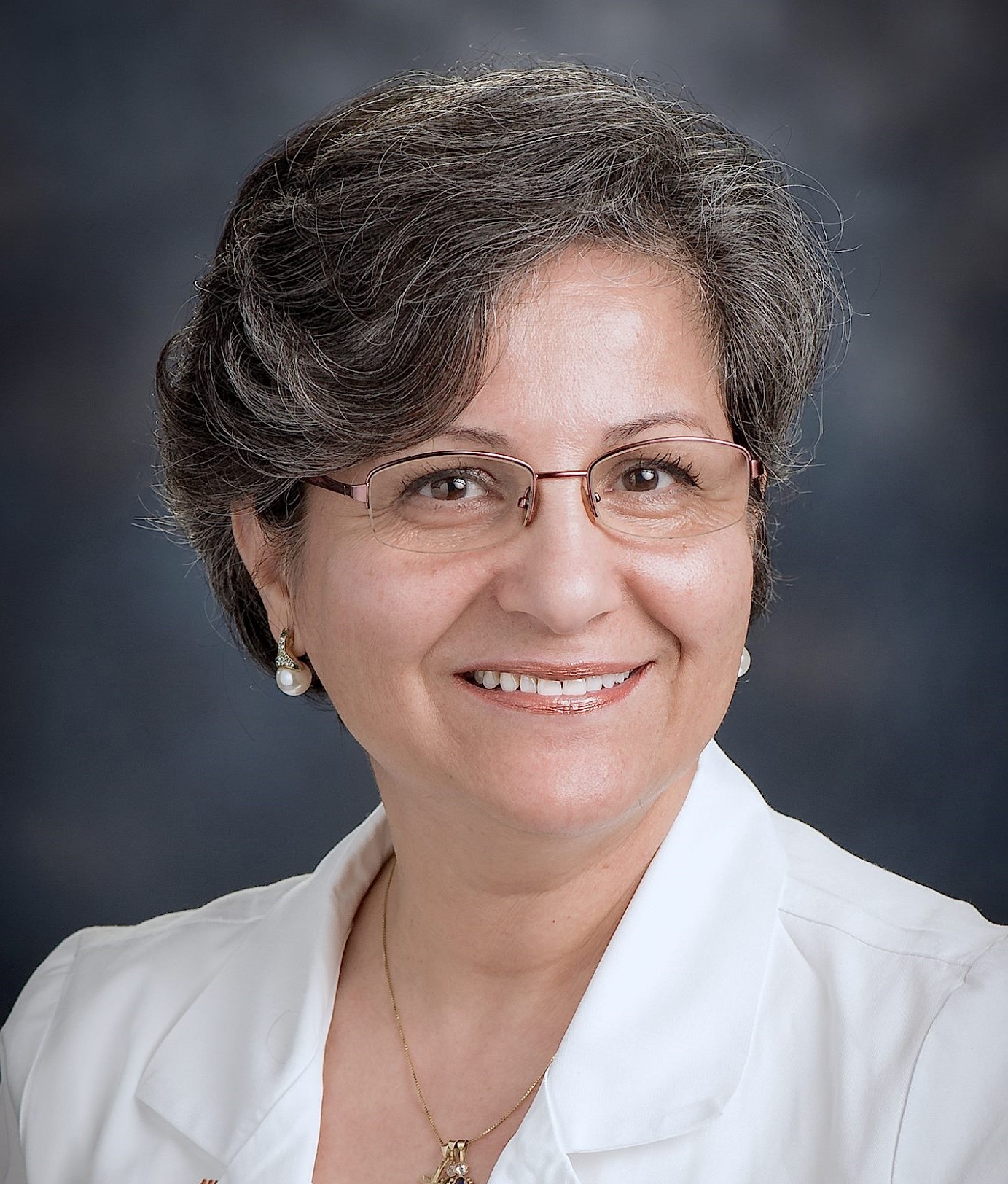
Michael Tehrani, M.D.
Seminar Title: Wound Care with Dr. Michael Tehrani
Presentation Date: 4/18/2025
Presentation Time: 04:00 PM
Seminar Details:
Speaker Bio: Michael Tehrani, MD is a board‑certified internal‑medicine physician and geriatric specialist who founded and now leads MedWell, a practice built on his belief that seniors deserve rapid, compassionate, and preventive care wherever they live. After completing his internal‑medicine residency at the University of Southern California in 2013, Dr. Tehrani served as a hospitalist at Long Beach Memorial Hospital before focusing on geriatrics with the Medicare Advantage plan Brand New Day. His commitment to frequent medication reviews, robust education, and swift response times keeps his patients healthier and out of the hospital—an approach that earned him Meals on Wheels of Orange County’s Senior Care Hero Award in both 2019 and 2020. Known affectionately as “Dr. T,” he continues to refine MedWell’s model so older adults can enjoy longer, happier lives.
Past Speaker
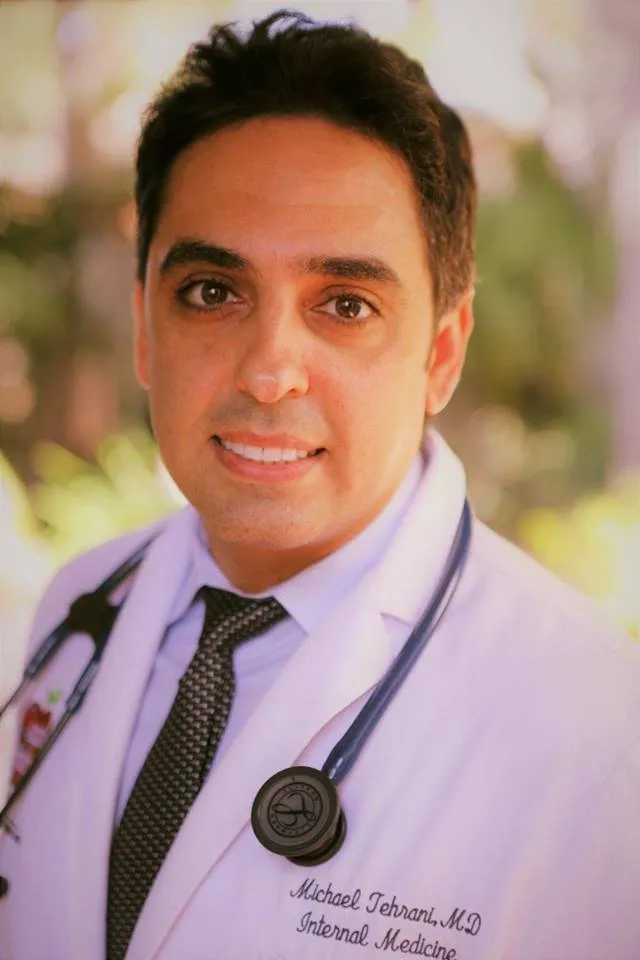
Diane Viera, DrPH
Seminar Title: Elder Abuse
Presentation Date: 5/22/2026
Presentation Time: 11:00 AM
Seminar Details: Diane E. Newman, DrPH, CHES, is a senior public health leader with over 20 years of experience in designing and evaluating community health, workforce development, and health education initiatives. Currently serving as both a Grant Administrator and the Director of the Neighborhood Wellness Center at Azusa Pacific University, she has led the development of more than 60 grant-funded projects totaling over $100 million. Her expertise lies in translating research into impactful programming, evidenced by her creation of the Street Medicine & Homeless Healthcare Certificate Program and her work on culturally responsive curricula for violence prevention. A graduate of Claremont Graduate University with a Doctorate in Public Health, Dr. Newman is a Certified Health Education Specialist who maintains active leadership roles in organizations such as the American Public Health Association and the Academy on Violence and Abuse.
Speaker Bio: Kristin Rigsbee is the Education and Outreach Specialist for the County of San Diego Long Term Care Ombudsman Program. She received her B.S in Psychology from Appalachian State University in Boone North Carolina. She has worked for the past 25 years in the long-term care facilities in San Diego County. She has worked for 20 years as a case manager/social worker in several skilled nursing facilities. She has also worked for 5 years as the Memory Care Director in assisted living. She has held her RCFE Administrators License while working in assisted living. Prior to coming to the Ombudsman Program, she worked as a care coordinator for an Elder Law Attorney. In 2014 she came to the Ombudsman Program in the position as the North Coastal Regional Coordinator. 6 months later she was moved to her current position in Outreach and Education. In 2017 she received the “Tools of the Trade” award from the California Long Term Care Ombudsman Association for innovation and excellence in training. She continues to recruit all volunteers as well as provide the state certification training for new Ombudsman, and all community and facility training regarding elder issues and mandated reporting.
Seminar Objectives:
- Participants will be able to define elder abuse as intentional or negligent acts within a relationship of trust and differentiate between its various forms, including physical, emotional, sexual, financial, neglect, and abandonment.
- Participants will analyze the epidemiology of elder abuse, recognizing that while approximately 1 in 6 older adults experience abuse globally, only an estimated 4% to 5% of cases are actually reported.
- Participants will identify key risk factors that contribute to elder abuse, such as social isolation, cognitive impairment (e.g., dementia), caregiver burnout, and financial dependency.
- Participants will learn to detect physical and behavioral indicators of abuse, including injuries inconsistent with explanations, frequent ER visits, sudden changes in legal or financial documents, and unmet basic needs.
- Participants will outline the responsibilities of healthcare providers, which include routine screening, thorough documentation, and adherence to state-specific mandatory reporting laws.
- Participants will be able to apply trauma-informed care principles—such as ensuring safety, empowering autonomy, and avoiding re-traumatization—while utilizing prevention strategies like caregiver support programs and multidisciplinary intervention teams.
Past Speaker
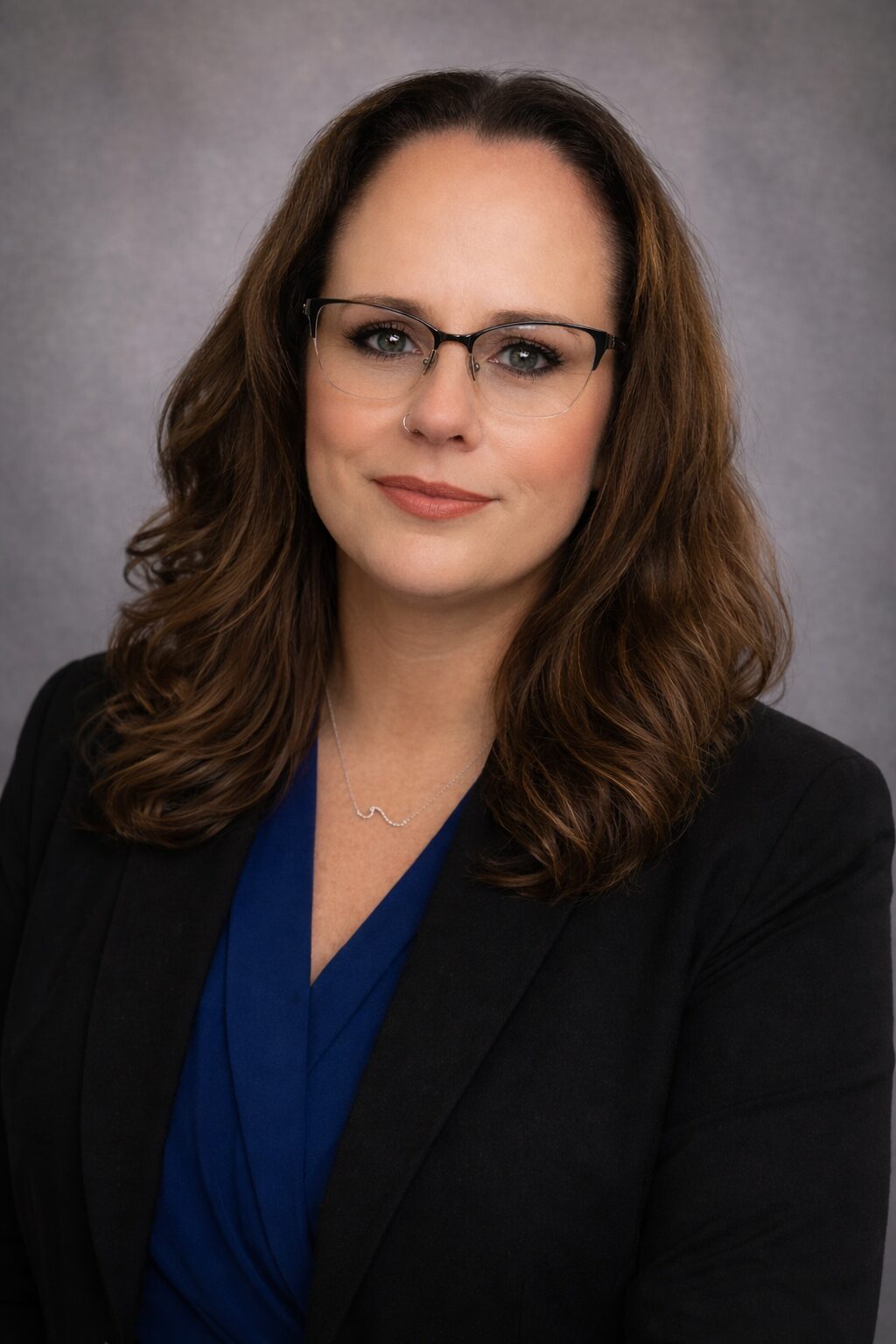
Tami Borneman, MSN
Seminar Title: Caring for Patients & Caregivers Facing Uncertainty
Presentation Date: 5/29/2026
Presentation Time: 11:00 AM
Seminar Details: This presentation provides a comprehensive exploration of the psychological and spiritual challenges faced by patients with life-limiting illnesses and their family caregivers. The presentation aims to help nurses understand how uncertainty often manifests as “denial,” emphasizing that denial and hope can coexist as valid coping mechanisms rather than just obstacles to care. By integrating research findings on spirituality and quality of life, the material highlights the critical importance of holistic assessment and spiritual well-being in mitigating distress. Ultimately, it offers practical nursing interventions—such as active listening, emotional presence, and self-awareness—to help healthcare professionals more effectively support those navigating the “blindsiding” reality of a catastrophic diagnosis.
Speaker Bio: Tami has a broad background in palliative care, quality of life (QOL), symptom management, spirituality, and end of life, both in the hospital setting and in the home environment over the past 32 years working for Dr. Betty Ferrell at the City of Hope Cancer Center in Duarte, CA. She was the Project Director for several NCI funded R01 studies as well as for a P01 study. All of their research involved addressing QOL and Tami has extensive experience in providing interventional education to patients with advanced cancer, their caregivers, and nurses. She also worked for two years at the Georgetown Lombardi Cancer Center as a research specialist/palliative care nurse educator in the palliative care program. While there, Tami served as Chair of the palliative care team for the DC Cancer Coalition. She has presented both nationally and internationally and has authored/coauthored over 60 peer reviewed publications as well as several chapters and monographs. Tami served as editor for the Core Curriculum for the Hospice and Palliative Licensed Practical/Vocational Nurse and Study Guide and most recently, as editor of the APRN-NA Scope and Standards (2026). In 2009 Tami was inducted as a Fellow of Palliative Care Nursing. She is also a reviewer for several peer reviewed journals for oncology, palliative care, hospice, and supportive care. Tami is now retired as of August 2025 and has her own business, Clinical Research & Editing Consultation helping others with their career goals.
Seminar Objectives:
- Identify and describe the primary challenges and concerns that patients and family caregivers face when navigating medical uncertainty.
- Describe the specific issues nurses encounter when working with patients or caregivers who are assessed as being in “denial” while facing uncertainty.
- Discuss the ways in which denial and hope can coexist within a patient’s or caregiver’s experience.
- Explain the importance of assessing patient and family spirituality as a critical component for addressing uncertainty and providing holistic care.
- Discuss key findings from various research studies and qualitative literature regarding the pervasive nature of uncertainty in palliative care.
- Identify practical ways nurses can increase their own comfort levels and improve their interactions with patients and family caregivers who are experiencing uncertainty and “denial”.
Past Speaker
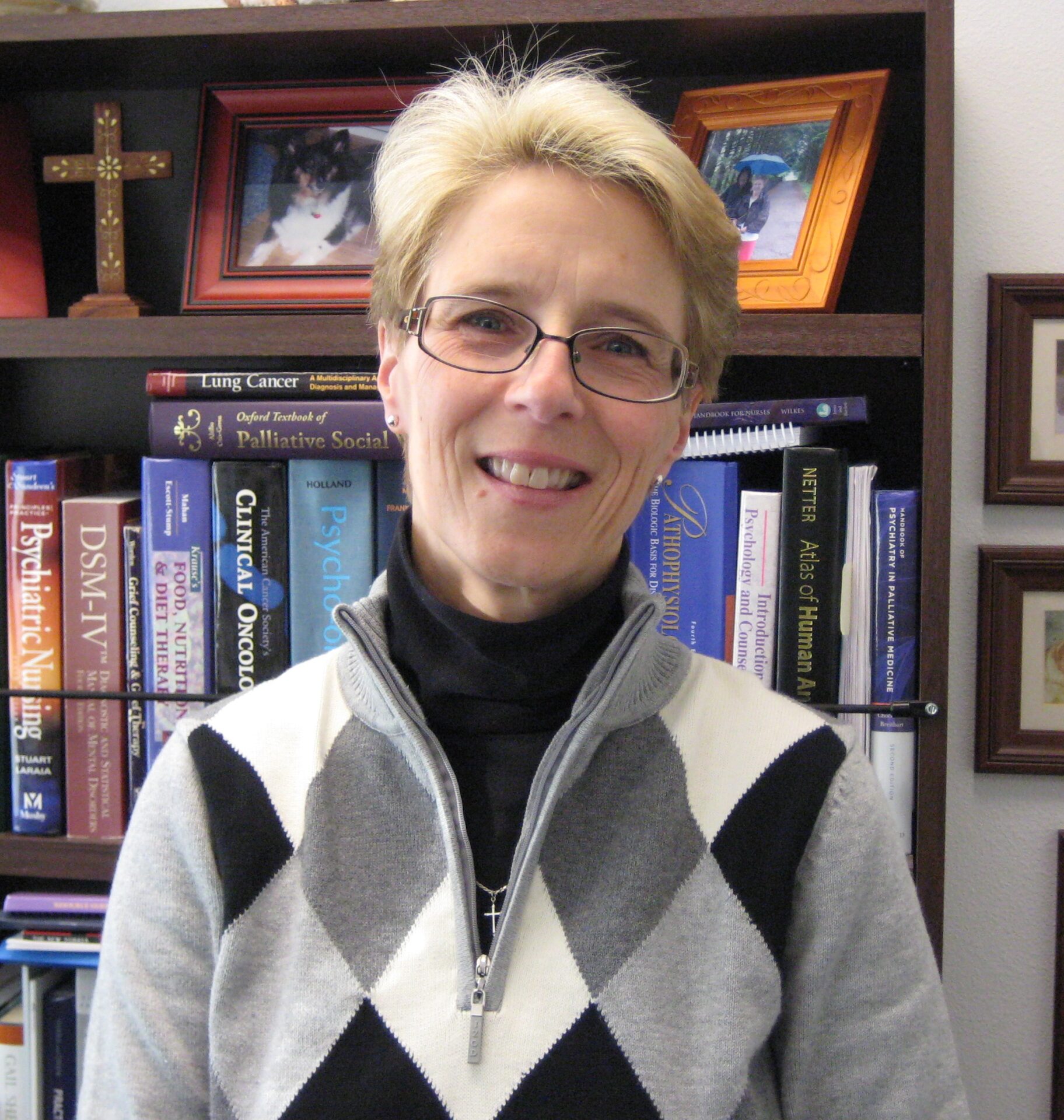
J. Howard Shane, M.D., CMD
Seminar Title: Acute Level Care at Home
Presentation Date: 5/15/2025
Presentation Time: 04:00 PM
Seminar Details:
Speaker Bio: Dr. J. Howard Shane, MD, CMD is a board-certified internist with over 20 years of experience in acute and post-acute care. He received his medical degree from the University of Texas Medical Branch and has held leadership roles across multiple healthcare settings, including hospitals, skilled nursing facilities, and hospice programs. He holds certifications from the American Board of Internal Medicine and AMDA—The Society for Post-Acute and Long-Term Care Medicine. His clinical expertise includes managing complex chronic conditions such as heart failure, hypertension, and diabetes.
Past Speaker
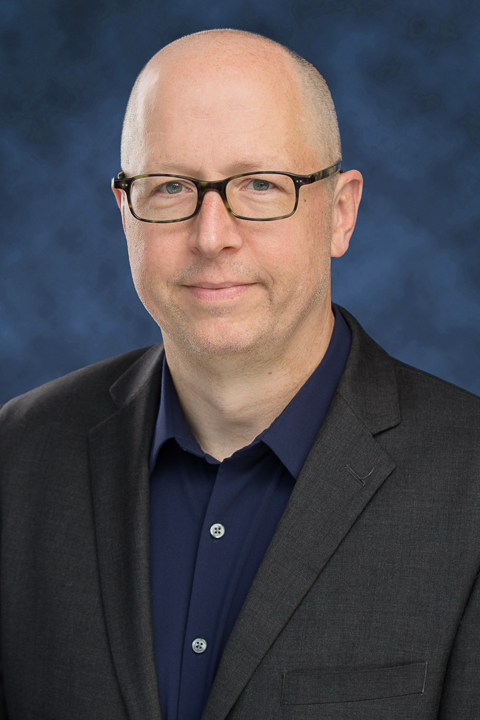
Kristin Rigsbee
Seminar Title: Long Term Care Ombudsman
Presentation Date: 6/5/2026
Presentation Time: 11:00 AM
Seminar Details: This presentation provides a comprehensive overview of the Long Term Care (LTC) Ombudsman Program in San Diego County, detailing its mission to advocate for the dignity and quality of care for residents in long-term care facilities. Created in the mid-1970s as a federally mandated but state-administered volunteer program, the initiative operates across 84 skilled nursing and 590 residential care facilities in the region. It outlines the rigorous 40-hour training and certification process for its 35 volunteer advocates, their role in investigating complaints and elder abuse, and the specific rights of residents they are sworn to protect, such as freedom from retaliation and the right to self-determination. Additionally, the presentation emphasizes the necessity of resident consent for active intervention and provides contact information for 24-hour reporting and community training.
Speaker Bio: Kristin Rigsbee is the Education and Outreach Specialist for the County of San Diego Long Term Care Ombudsman Program. She received her B.S in Psychology from Appalachian State University in Boone North Carolina. She has worked for the past 25 years in the long-term care facilities in San Diego County. She has worked for 20 years as a case manager/social worker in several skilled nursing facilities. She has also worked for 5 years as the Memory Care Director in assisted living. She has held her RCFE Administrators License while working in assisted living. Prior to coming to the Ombudsman Program, she worked as a care coordinator for an Elder Law Attorney. In 2014 she came to the Ombudsman Program in the position as the North Coastal Regional Coordinator. 6 months later she was moved to her current position in Outreach and Education. In 2017 she received the “Tools of the Trade” award from the California Long Term Care Ombudsman Association for innovation and excellence in training. She continues to recruit all volunteers as well as provide the state certification training for new Ombudsman, and all community and facility training regarding elder issues and mandated reporting.
Seminar Objectives:
- Define the program’s role in advocating for the dignity and quality of life of residents and recognize its history as a federally mandated advocacy program created in the mid-1970s.
- Outline the scope of the San Diego County program, including its oversight of 84 skilled nursing facilities and 590 residential care facilities across six specific regions.
- Describe the primary duties of an Ombudsman, such as investigating complaints and elder abuse , and identify the training requirements for certified volunteers
- Summarize fundamental rights, such as the right to self-determination and freedom from restraints, while identifying common complaints like inappropriate discharge or inadequate staffing
- Identify the specific environmental and care factors Ombudsmen monitor during visits, including safety hazards, medication storage, and resident grooming.
- Understand the necessity of obtaining written resident consent before taking action and learn how to utilize the 24-hour confidential reporting system.
Past Speaker
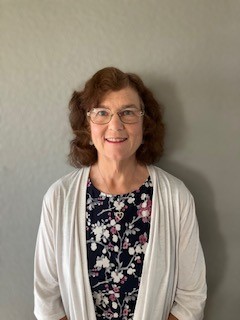
Amit Khurana, PharmD
Seminar Title: From Bedside to Bottom Line: A Win-Win Playbook for Addressing Opioid Use Disorder in Older Adults
Presentation Date: 6/19/2026
Presentation Time: 11:00 AM
Seminar Details: This Grand Rounds presentation provides a comprehensive playbook for addressing Opioid Use Disorder (OUD) in older adults, specifically within Tribal, Underserved, and Rural (TTOUR) communities in California. The presentation utilizes the Age-Friendly 4Ms framework—What Matters, Medication, Mentation, and Mobility—to outline interdisciplinary roles for clinicians, pharmacists, and social workers in identifying and treating OUD. It emphasizes that improving OUD care is a “win-win” strategy that enhances patient outcomes, such as reduced mortality and fall prevention, while simultaneously optimizing financial sustainability through Medicare quality metrics like MIPS Measure 2 and various California-specific funding levers. By detailing clinical frameworks, treatment considerations for medications like buprenorphine, and a three-tier financial case, the presentation serves as a call to action for healthcare providers to implement routine screening and integrated care models.
Speaker Bio: Dr. Amit Kaur Khurana is a health insurance executive and pharmacist who drives pharmacy strategy in Medicare, Medicaid, Commercial, ACA and TRICARE lines of business. Over the last three decades, she has worked in community pharmacy, academia, and managed care organizations developing metric-driven, holistic solutions that result in increased wellness of targeted members. She is passionate about the future of healthcare as a continuum and believes in strengthening strategic partnerships between payors, providers and hospital systems to achieve higher quality and lower cost outcomes. She currently consults on Azusa Pacific University’s Geriatrics Workforce Enhancement Program (GWEP) grant as a Pharmacy subject-matter expert.
Seminar Objectives:
- Identify at least three clinical presentations of opioid use disorder (OUD) in adults aged 65 and older that are commonly misattributed to normal aging, dementia, or other comorbid conditions.
- Apply the Age-Friendly Health Systems 4Ms framework (What Matters, Medication, Mentation, Mobility) to the interdisciplinary assessment and management of OUD risk in older adults across various healthcare settings.
- Understand how documentation of OUD risk screening generates measurable reimbursement value for eligible clinicians and organizations.
- Differentiate the quality and reimbursement mechanisms relevant to each practice setting represented in TTOUR communities, and identify at least one actionable financial lever applicable to their own organizational context.
- Formulate at least one discipline-specific clinical or administrative action to improve OUD identification, treatment, and documentation in their practice setting that simultaneously advances patient-centered care goals and organizational quality performance outcomes.
Past Speaker
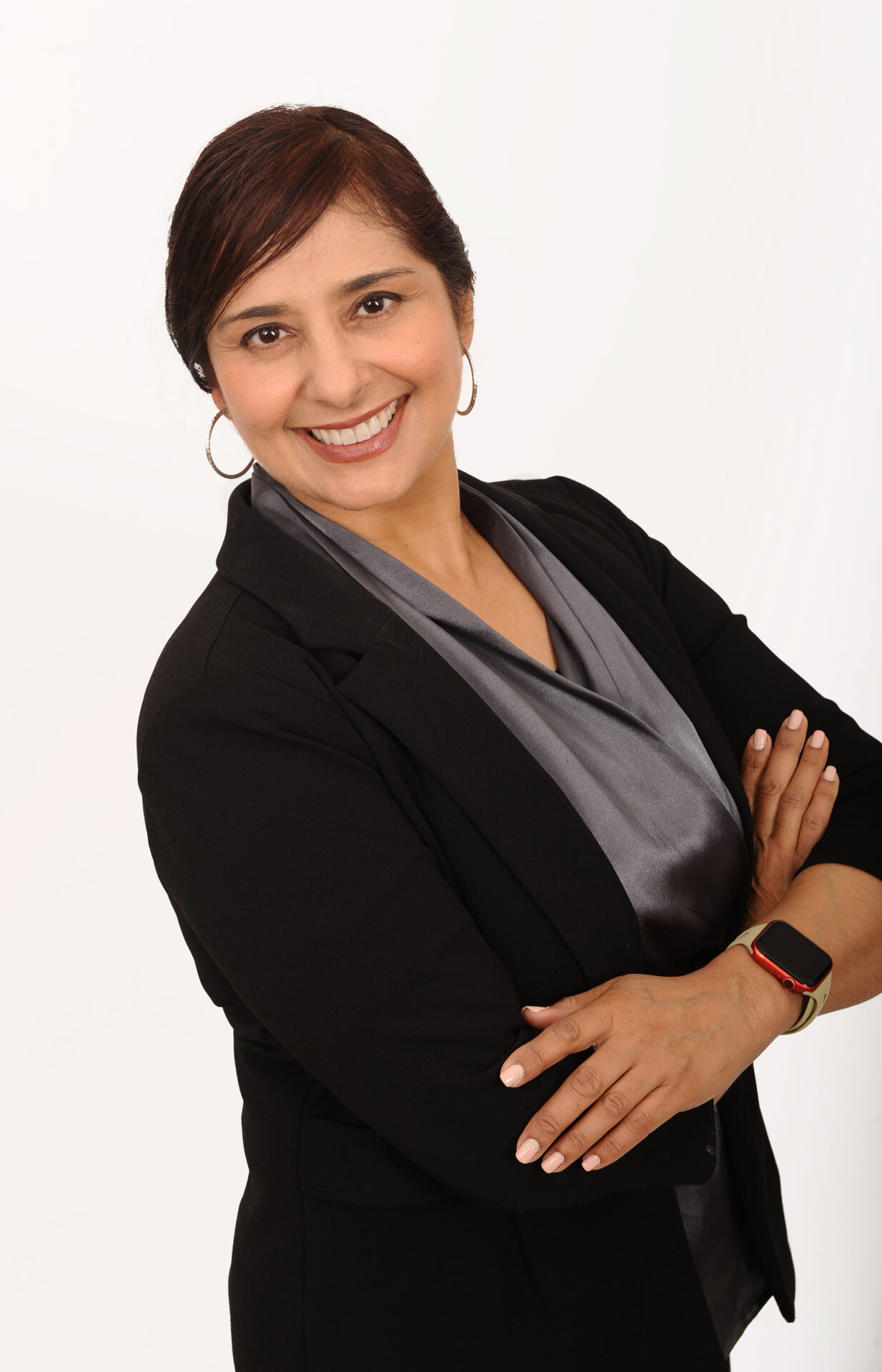
Catherine Heinlein, EdD
Seminar Title: Diabetes Care in the Older Adult: Nutrition Implications
Presentation Date: 6/26/2026
Presentation Time: 11:00 AM
Seminar Details: This presentation explores person-centered care strategies that move beyond traditional clinical metrics. It highlights the significant intersection of aging, diabetes, and disability, noting that approximately 43.9% of adults aged 65 and older live with a disability and nearly 30% have diabetes. The core of the presentation advocates for an “inclusive lens” in nutrition that prioritizes quality of life, addresses food insecurity, and actively combats ableism and implicit bias within healthcare practices. By utilizing frameworks like the 4Ms (Mentation, Medications, Mobility, and What Matters Most), the session provides clinicians with best practices for communication—such as using person-first language—and a four-step process to simplify treatment plans to optimize safety and engagement for older patients.
Speaker Bio: Dr. Catherine Heinlein is an Associate Professor in the College of Nursing and Health Sciences at Azusa Pacific University in Azusa, California. With advanced degrees in leadership, nursing, and nutrition, she brings a unique, integrated approach to patient care and clinical instruction drawn from over 25 years of university-level teaching. Dr. Heinlein’s clinical and research work focuses heavily on diabetes prevention, management, and the nutritional implications of obesity. As a two-time Fulbright Scholar, her global health initiatives directly intersect with chronic disease management. During her 2017–2018 Fulbright tenure in India, she developed a highly successful “train-the-trainer” model, empowering nursing students to establish community-based diabetes prevention programs. Demonstrating her continued leadership in global education, she was recently awarded her second Fulbright scholarship (2026–2027) to return to India to focus on nursing curriculum development. Her commitment to community health spans both local and international landscapes. Dr. Heinlein has served as the lead nursing faculty for APU’s Short-Term Study Abroad India program in Kolkata, dedicating herself to improving access to primary prevention and diagnostics for non-communicable diseases like diabetes. Additionally, in collaboration with a research colleague since 2014, she conducts public health research and facilitates Community Health Nurse (CHN) training in Rwanda through Africa New Life Ministries. Previously, as Associate Director of APU’s Neighborhood Wellness Center, she collaborated with students to deliver hands-on nursing and nutrition care to the local community. An expert in dietary education, she also developed the university’s Minor in Nutrition, creating specialized coursework in Life Cycle Nutrition, Cultural Aspects of Foods, and Alternative Therapies—all of which heavily inform her holistic approach to geriatric diabetes care.
Seminar Objectives:
- Analyze current epidemiological trends regarding the prevalence of diabetes, prediabetes, and disability among older adults in the United States.
- Evaluate the clinical differences in physical health, cognitive risk, and economic impact between older adults with diabetes versus those without the condition.
- Identify and mitigate ableism and implicit bias within clinical practice to ensure equitable and inclusive care for patients with disabilities.
- Implement person-centered communication strategies, including the use of person-first language and the promotion of language choice, to empower older adults with diabetes.
- Apply the 4Ms Framework (Mentation, Medications, Mobility, and What Matters Most) to address specific issues affecting diabetes management in age-friendly health systems.
- Formulate a step-by-step approach to assess and modify treatment plans, prioritizing the prevention of hypoglycemia and addressing food insecurity over strict glycemic control in older populations.
Past Speaker
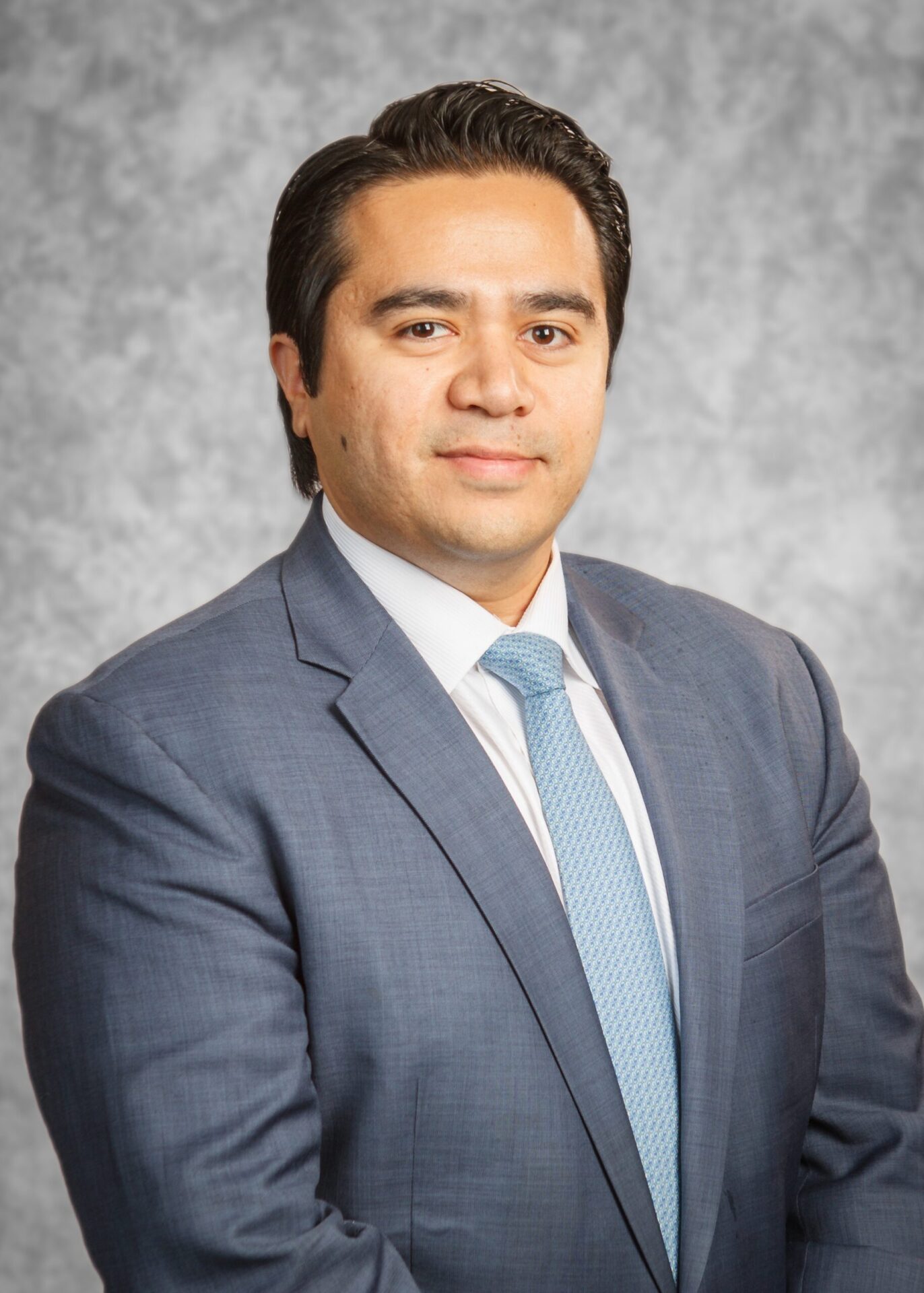
Anthony Wehbe, DO
Seminar Title: Acute Level Care at Home
Presentation Date: 6/19/2025
Presentation Time: 04:00 PM
Seminar Details: This presentation introduces the Hospital-at-Home (HaH) model as a safe, evidence-based, and cost-effective alternative to traditional inpatient hospitalization. Developed by leading clinicians and backed by data from national programs, this approach transforms patients’ homes into controlled, monitored care environments—reducing hospital-acquired infections, improving patient satisfaction, and lowering healthcare costs. The presentation outlines the clinical model, eligibility criteria, program workflow, and technology infrastructure used by Sena Health to deliver 24/7 coordinated care at home. It also highlights the advantages for patients, providers, and payers, and explains why medical groups are uniquely positioned to succeed with HaH programs.
Speaker Bio: Dr. Wehbe is an award-winning physician and healthcare executive whose people-centric, physician-focused leadership optimizes clinical outcomes and improves clinical performance to achieve optimal health and efficiency. He designs and executes strategies that maximize opportunities, while always improving clinical quality for patients and various organizations.
Past Speaker
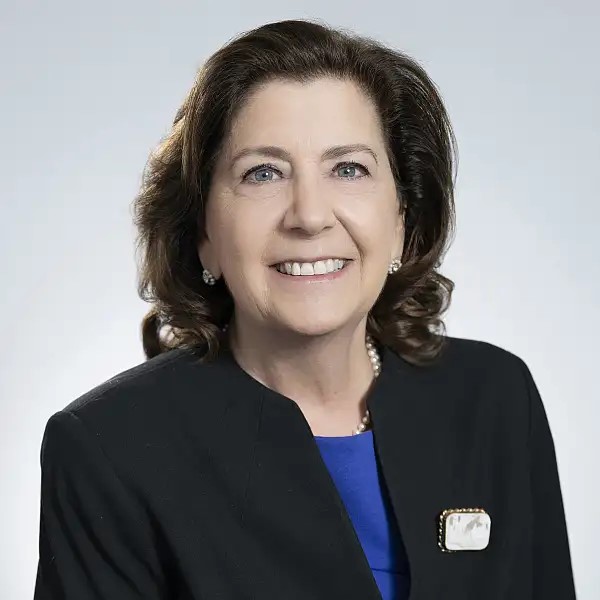
Pamela Z. Cacchione, PhD
Seminar Title: Social and Assistive Technologies in Care of Older Adults
Presentation Date: 7/14/2026
Presentation Time: 11:00 AM
Seminar Details: Dr. Cacchione will be presenting her research with different types of robots and technologies with older adults. She will share studies with different types of social assitive robots as well as robots to support activities of daily living and physical function. Additionally she will share her work with a digital pet therapy APP and Heart Failure Monitoring Socks that measure response to treatment as well as heart failure exacerbations.
Speaker Bio: Dr. Cacchione is the Ralston House Term Chair in Gerontological Nursing and Professor of Geropsychiatric Nursing at the University of Pennsylvania School of Nursing. She is a Gerontological Nurse Practitioner (GNP) who has practiced for over 30 years across the care continuum. She is a nurse leader, scientist and innovator. She has served as the President of the Gerontological Advanced Practice Nurses Association, the Health Sciences Chair for the Gerontological Society of America and the Chair of the Aging Panel for the American Academy of Nursing. Her research investigates the use of social and rehabilitative robots for older adults. She is passionate about improving lives of older adults and persons with chronic illnesses, particularly heart failure. She has a Penn UP Start Company, AgingSense Where she focuses on developing technologies. She developed Heart Failure Monitoring Socks which are under the first phase of testing with persons with heart failure. Dr Cacchione received her BSN from Villanova University, MSN as a GNP from Marymount University and PhD from Saint Louis University. She completed postdoctoral training at the University of Iowa in intervention research. Dr. Cacchione is a Fellow in the Gerontological Society of American and the American Academy of Nursing.
Seminar Objectives:
- Recognize the importance of human-centered design when developing technologies to support older adults
- Learn the importance of setting up realistic expectations of what can be expected from different types of technologies
- Gain insights into how to engage older adults in research
Past Speaker
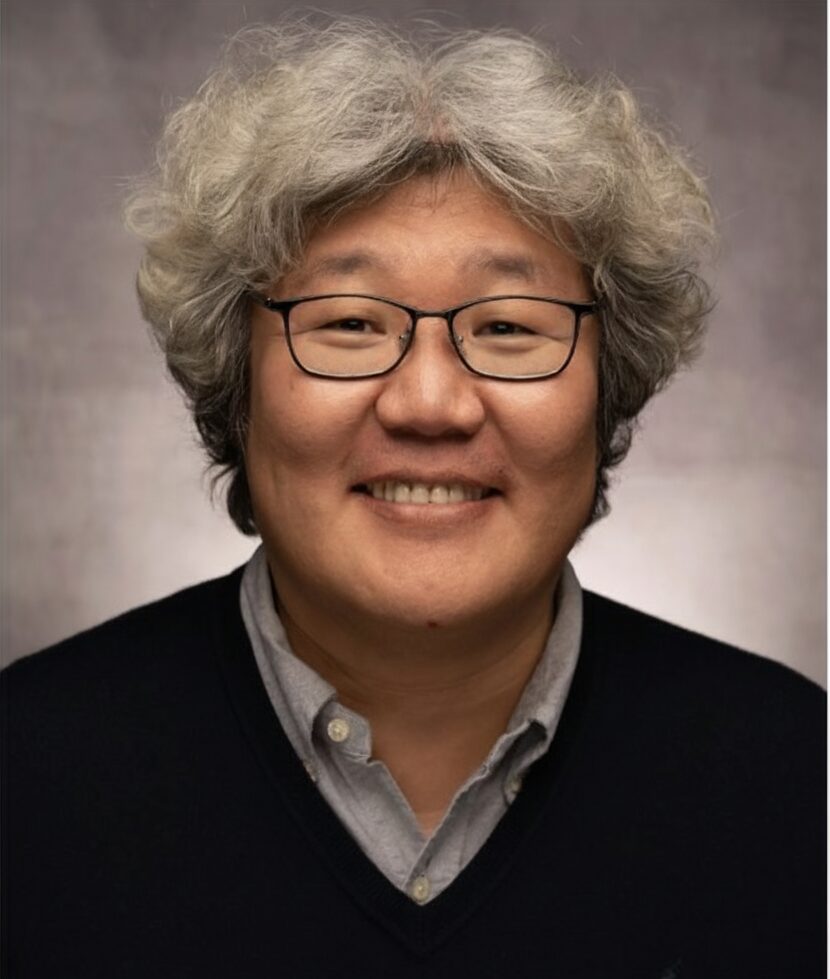
Sanggon Nam, PhD
Seminar Title: Aging, Mobility, and Health Equity Lessons from Older Mexican Americans and Diverse Older Adults
Presentation Date: 7/17/2026
Presentation Time: 11:00 AM
Seminar Details: Join us for this critical Grand Rounds seminar addressing aging, mobility, and health equity in rapidly diversifying older adult populations. This interdisciplinary session bridges longitudinal research with clinical excellence, equipping healthcare providers with actionable frameworks to treat lower-body function as a clinical vital sign while delivering culturally responsive, ‘Age-Friendly’ care that directly addresses the unique disparities faced by diverse older adults.
Speaker Bio: Dr. Sanggon Nam is an Associate Professor of Public Health in the School of Nursing at Azusa Pacific University, with over 15 years of experience specializing in social epidemiology, minority aging, and health disparities. A recognized expert in health policy and public health preparedness, he has secured major federal funding, including a $5 million HRSA grant, and has published widely in peer-reviewed journals using advanced biostatistics and machine learning. Dr. Nam actively bridges research and practice through leadership roles with the California Department of Public Health’s Climate and Health Equity Advisory Group, the NNPHI PH LEADS Steering Committee, and past work as a county epidemiologist. Dedicated to inclusive teaching and mentorship, he serves on his university’s Diversity Council and has advised over 200 graduate theses and dissertations. He holds a Ph.D. in Preventive Medicine and Community Health from the University of Texas Medical Branch.
Seminar Objectives:
- Analyze how population aging, the rapid expansion of the oldest-old cohort (ages 75 and 85+), and shifting U.S. racial and ethnic demographics require equity-focused geriatric systems.
- Explain the mechanisms behind the “Hispanic paradox,” specifically evaluating how socioeconomic disadvantage intersects with favorable survival outcomes, and how migration selectivity and behaviors drive this effect.
- Interpret data from the Hispanic EPESE to differentiate how disability prevalence (ADL and mobility limitations) varies sharply when intersecting a patient’s gender with their country of birth.
- Establish gait and lower-body performance metrics as actionable clinical vital signs capable of predicting long-term disability, caregiving burden, and 13-year mortality.
- Connect central adiposity, body mass index (BMI), and type 2 diabetes disparities to practical independence preservation and disability prevention rather than just cardiovascular metrics.
- Integrate evidence regarding structural barriers, coronary heart disease (CHD) treatment gaps, and social determinants of health (SDOH) into actionable, culturally responsive practices using the 4Ms framework.
Past Speaker
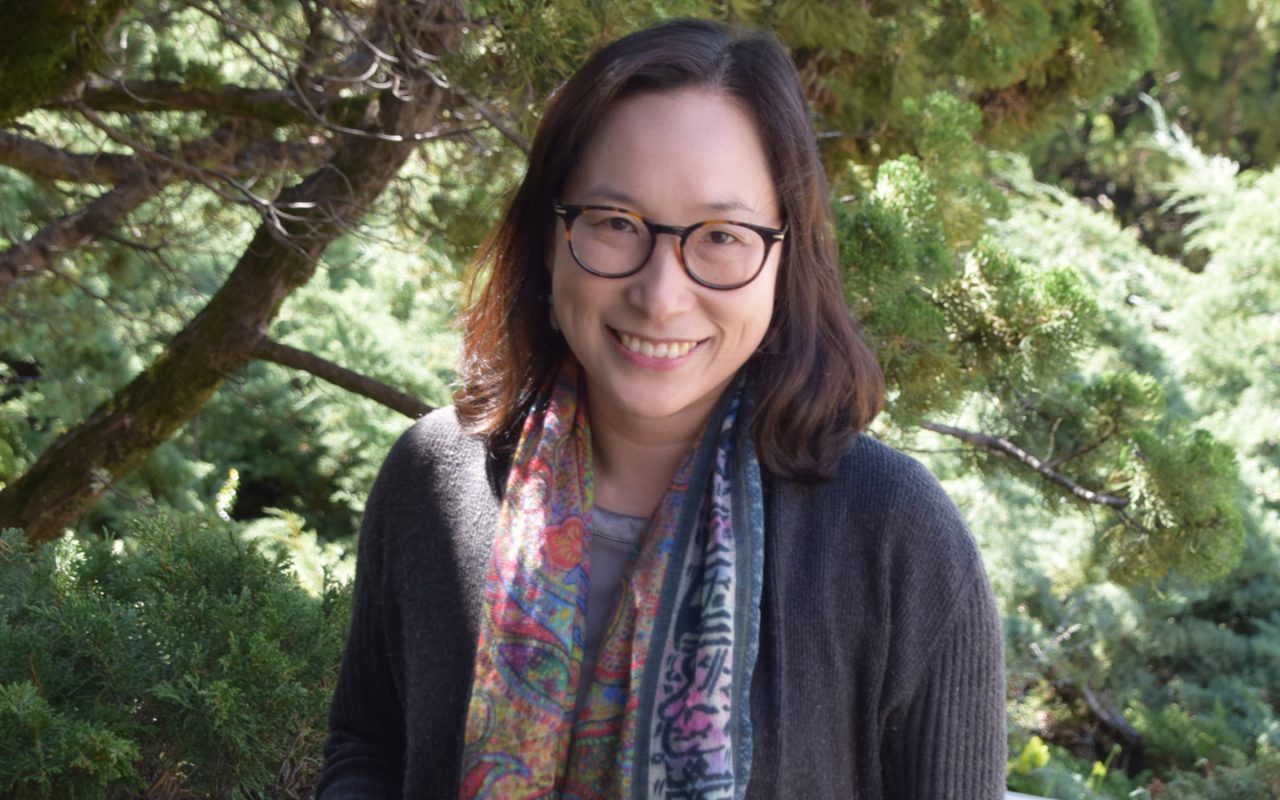
Haesook Kim, PhD
Seminar Title: Caregiver Interaction With Diverse Older Adults: Example Of Korean American Older Adults Residing In Long Term Care Facilities
Presentation Date: 8/7/2026
Presentation Time: 11:00 AM
Seminar Details: This presentation will explore caregiver interactions with Korean American older adults in long-term care, highlighting how cultural, linguistic, and psychosocial factors influence communication and dementia symptoms. It will examine the impact of these interactions on resident well-being. Additionally, evidence-based strategies for culturally responsive communication and person-centered dementia care will be shared to improve care for diverse older adults.
Speaker Bio: Dr. Haesook Kim has worked to improve the quality of care for older adults and to advance nursing education. As person-centered and evidence-based care are core values in her nursing practice and education, she has consistently sought to incorporate them into her teaching. As a clinician, she has worked in orthopedics, telemetry, geriatrics, pain management clinics, FQHC/non-profit clinics. She has participated in various research projects, including behavioral symptoms of dementia, elder mistreatment, and culturally competent care for ethnic minority older adults. The findings from those studies have been published in journals and presented at conferences. The list of publications is here. Recently, her research has expanded to focus more on nursing education, particularly on integrating Point-of-Care Ultrasound (POCUS) into the Nurse Practitioner curriculum. She earned a Ph.D. from the University of California, Los Angeles, an MSN/GNP from the University of Michigan, and a BSN from Hanyang University in Korea. For the SIGMA (International Nursing Honor Society), she served as a faculty counselor (2018-2019), Treasurer of the Nu Xi at Large chapter, 2019-2026, and Region One, 2021-2027.
Seminar Objectives:
- Recognize the cultural, linguistic, and psychosocial factors that influence caregiver interactions and care experiences among diverse older adults, using Korean American residents in long-term care facilities as a case example.
- Apply culturally responsive communication and person-centered caregiving strategies to enhance caregiver-resident interactions, reduce behavioral and psychological symptoms associated with dementia, and improve the quality of care for diverse older adults in long-term care settings.
Past Speaker
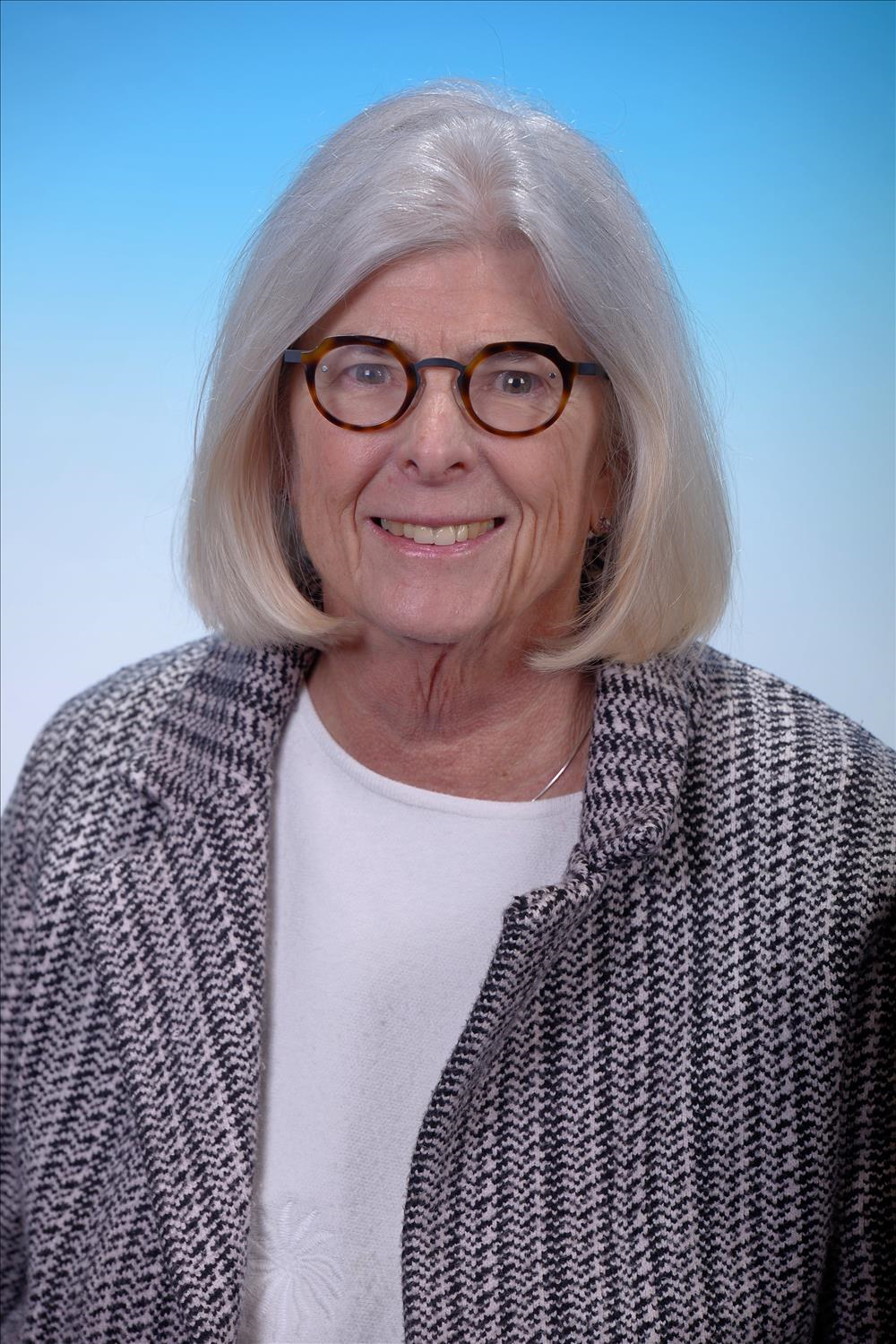
Kathleen C. Buckwalter, PhD
Seminar Title: Behavioral Management Strategies in Dementia: The PLST Model
Presentation Date: 8/21/2026
Presentation Time: 11:00 AM
Seminar Details: This presentation details the Progressively Lowered Stress Threshold (PLST) model for managing behavioral symptoms in individuals with dementia. It outlines the progressive stages of dementia—from early memory loss to end-stage functional decline—and provides practical caregiver strategies, routine modifications, and environmental interventions designed to reduce stress, manage agitation, promote comfort, and support person-centered care.
Speaker Bio: Kathleen (Kitty) Buckwalter is recognized for her research in geropsychiatric nursing, caregiving and long-term care. One of the first nurses to receive a career development grant from the National Institute of Mental Health(1983-86), she has a sustained record of private and federal support related to the evaluation of non-pharmacological interventions for geropsychiatric populations from the National Institutes of Health, as well as private foundations. Her particular interest is in behavioral management strategies for psychological and behavioral symptoms in persons living with dementia (PLWD) and their caregivers, and the effectiveness of community programs to prevent, minimize, and treat psychiatric problems in the rural elderly and other community-based and institutional settings. With Geri Hall, Buckwalter developed an early conceptual framework, the Progressively Lowered Stress Threshold Model (PLST), for PLWD and their caregivers and has implemented, evaluated and revised the PLST model over the last 40 years. She is a member of the National Academy of Medicine and founding editor of Research in Gerontological Nursing and former editor of the Journal of Gerontological Nursing. The recipient of numerous honors and awards, including designation as an American Academy of Nursing Living Legend, Dr. Buckwalter serves on many national and international review committees, editorial boards, and advisory groups. She has authored over 415 peer reviewed articles, 90 book chapters, 10 health policy and commissioned papers, 50 monographs/videos/media, over 100 editorials/reviews/commentaries, and has edited eight books. Buckwalter has mentored 75 master’s and 57 doctoral students, as well as 27 postdoctoral fellows, and countless junior faculty. She has held leadership positions in numerous nursing, gerontological and research organizations.
Seminar Objectives:
- Describe basic principles, behaviors, common sources of stress, and goals of the Progressively Lowered Stress Threshold (PLST) Model
- Explain how caregivers can apply the model to better care for persons living with dementia (PLWD).
Past Speaker
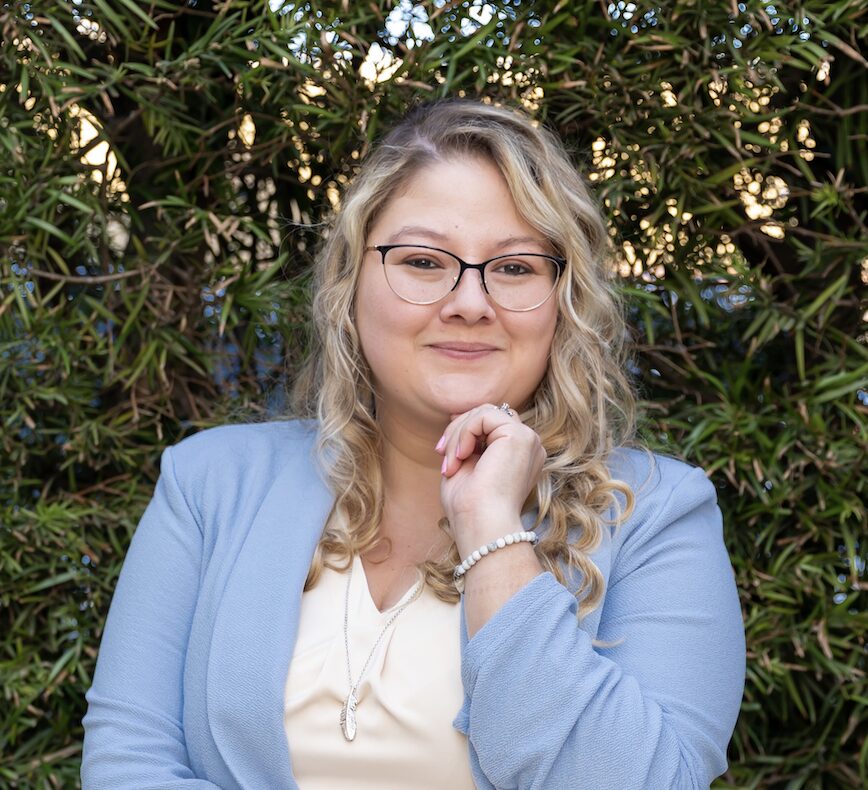
Susie Baker, LCSW
Seminar Title: Supporting Older Adults in Early Stages of Cognitive Impairment: A Clinical and Interdisciplinary Perspective
Presentation Date: 10/7/2025
Presentation Time: 11:00 AM
Seminar Details:
Speaker Bio: Susie Baker, LCSW, is the founder of Luminous Self Therapy + Coaching, where she supports individuals through grief, anxiety, and life transitions. With over a decade of experience working with older adults in hospice care, Susie brings compassion and deep understanding to end-of-life support and the challenges of aging. In her private practice, she specializes in one-on-one therapy, helping clients find resilience, healing, and meaning in life’s changing seasons. She also serves as an adjunct professor at Azusa Pacific University Social Work Department and provides supervision for those seeking licensure, guiding the next generation of social workers with clarity, wisdom, and heart.
Seminar Objectives:
- Identify the emotional, psychological, and relational challenges faced by older adults navigating early cognitive changes
- Explore evidence-based approaches, such as narrative therapy, CBT, and IFS-informed strategies to support early-stage clients
- Collaborate effectively across disciplines to design cohesive, client-centered care plans
Past Speaker
Amit Khurana, PharmD
Seminar Title: Interdisciplinary Approach to Opioid Use Disorder: a holistic perspective
Presentation Date: 10/31/2025
Presentation Time: 11:00 AM
Seminar Details:
Speaker Bio: Dr. Amit Kaur Khurana is a health insurance executive and pharmacist who drives pharmacy strategy in Medicare, Medicaid, Commercial, ACA and TRICARE lines of business. Over the last three decades, she has worked in community pharmacy, academia, and managed care organizations developing metric-driven, holistic solutions that result in increased wellness of targeted members. She is passionate about the future of healthcare as a continuum and believes in strengthening strategic partnerships between payors, providers and hospital systems to achieve higher quality and lower cost outcomes. She currently consults on Azusa Pacific University’s Geriatrics Workforce Enhancement Program (GWEP) grant as a Pharmacy subject-matter expert.
Seminar Objectives:
- Define opioid use disorder using current DSM-5-TR criteria
- Recognize signs and symptoms of opioid intoxication, withdrawal, and chronic use
- Understand evidence-based treatment modalities, especially MOUD, along with the impact of fentanyl in the opioid crisis and implication in treatment approach
- Evaluate the role and safety of over-the-counter intranasal naloxone in reducing opioid-related deaths and when to recommend for patients/families/caregivers
- Describe the role of each discipline in comprehensive OUD care
- Apply harm reduction principles in clinical practice
- Identify special considerations for older adults with OUD
Past Speaker
Dr. Jennifer Fernandez, DPT
Seminar Title: Pelvic Health Physical Therapy for the Aging Population
Presentation Date: 11/18/2025
Presentation Time: 10:00 AM
Seminar Details: Pelvic Health Physical Therapy for the Aging Population, is a presentation that will discuss pelvic floor dysfunction and physical therapy for the geriatric population. As the population ages, pelvic health concerns such as incontinence, pelvic organ prolapse, and pelvic pain can become increasingly prevalent, impacting independence and quality of life. This session will explore the importance of recognizing and addressing pelvic floor dysfunctions in older adults, highlighting the specialized role and scope of pelvic physical therapy in their management. We will review current assessment and treatment strategies tailored to the aging population, and examine real-life case examples to illustrate clinical reasoning and outcomes. By the end of this presentation, participants will gain practical insights into how pelvic health physical therapy can enhance function, dignity, and overall well-being in older adults.
Speaker Bio: Jennifer was born and raised in Southern California. She attended undergrad at UCLA and graduated in 2007 with a BS in Physiological Sciences. She attended the Doctor of Physical Therapy program here at APU and graduated in 2010. Jennifer is an assistant Professor at APU and the current Director of Clinical Education in the Doctor of Physical Therapy program here at APU. Prior to Jennifer’s return to APU, she was working as a clinical Physical Therapist for over 10 years and received her Orthopedic Certificate Speciality (OCS) in 2012. Her primary work was in outpatient orthopedics with an emphasis on pelvic health, pregnant and post-partum orthopedic issues. Jennifer continues to work in the clinic and is excited to be back at APU and having an impact on future physical therapists.
Seminar Objectives:
- Understand the importance of pelvic health in older adults
- Explore pelvic floor dysfunctions in the geriatric population
- Identify the role and scope of pelvic physical therapy
- Identify the prevalence and specific types of Pelvic Floor Disorders (PFD), particularly incontinence, in the geriatric population
- Recognize the risk factors associated with urinary incontinence (UI), Overactive Bladder (OAB), and Pelvic Organ Prolapse (POP)
- Explain the components of a comprehensive pelvic PT evaluation (subjective and objective)
- Detail conservative treatment strategies, including behavioral modifications and physical therapy techniques, for Lower Urinary Tract Symptoms (LUTS).